Kilimanjaro High Altitude Medevac: Specialized Emergency Response
High altitude medevac on Kilimanjaro delivers specialized helicopter evacuation for emergencies above 5,000 meters. When severe altitude illness or injuries strike in extreme elevation zones, rapid aerial response with in-flight medical care provides the critical path to safety.
Kilimanjaro High Altitude Medevac: Specialized Emergency Response
Above 5,000 meters on Kilimanjaro, atmospheric pressure drops dramatically—oxygen availability falls to roughly half sea-level values. This extreme hypoxia accelerates physiological stress, turning moderate altitude symptoms into life-threatening conditions within hours. High altitude medevac addresses these unique challenges with helicopters configured as air ambulances capable of operating in thin air.
KiliFlying Air specializes in high altitude medevac, with aircraft, crews, and protocols optimized for operations near the summit. Our services routinely execute rescues from Barafu, Kosovo, crater rim, and summit zones with industry-leading speed and professionalism.
This in-depth guide explores high altitude medevac needs on Kilimanjaro, extreme elevation physiology, emergency scenarios, helicopter technical capabilities, response procedures, coordination systems, and real-world examples of successful interventions above 5,000 meters.
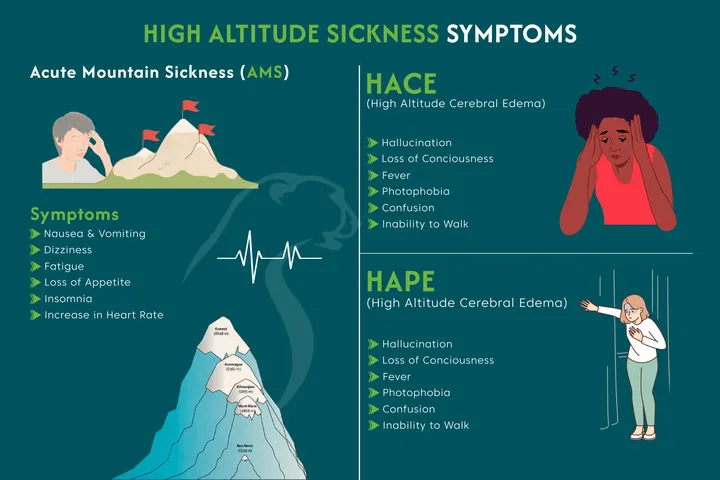
Physiological Challenges Above 5,000 Meters
Extreme elevation creates rapid onset risks:
- Severe hypoxia. Oxygen saturation often below 70% accelerating illness progression.
- HAPE/HACE dominance. Pulmonary and cerebral edema most common critical emergencies.
- Summit-day concentration. Highest incidence during final night ascent and crater traverse.
- Cold amplification. Sub-zero temperatures compounding respiratory and neurological stress.
- Ground descent limitations. Hours/days required—unacceptable for severe cases.
These factors make high altitude medevac indispensable.
High Altitude Emergency Scenarios
Common triggers requiring medevac:
- HAPE progression. Fluid in lungs causing severe breathlessness and cough.
- HACE onset. Brain swelling with ataxia, confusion, hallucinations.
- Trauma at elevation. Falls on ice fields or crater rim.
- Cardiac crises. Exacerbated by extreme hypoxia.
- Summit collapse. Exhaustion preventing descent from Uhuru Peak area.
Rapid medevac directly addresses time sensitivity.
Technical Capabilities for High Altitude Medevac
Specialized equipment enables operations:
- Performance margin. Power reserves for hover and lift above 5,000m.
- Medical interiors. Oxygen systems, monitors, defibrillators, IV capability.
- Hoist rescue. Extraction from zones without landing sites.
- In-flight interventions. Critical care during descent.
- Crew expertise. Pilots and medical teams trained in altitude physiology.
KiliFlying Air maintains these capabilities at the highest level.
High Altitude Medevac Response Procedure
Coordinated execution ensures speed:
- Guide stabilization and alert
- Operator medical advisory
- Insurance instant authorization
- Helicopter launch with high-altitude preparation
- On-site advanced care and extraction
- Direct hospital routing
Direct partnerships achieve fastest possible response.
Access to Extreme Elevation Zones
Reliable coverage includes:
- Barafu/Kosovo high camps
- Crater rim and Stella Point
- Uhuru Peak proximity extraction
- Arrow Glacier and Western Breach zones
Professional services maintain consistent high-altitude access.
Real-World High Altitude Medevac Impact
Proven interventions demonstrate value:
- Summit-zone HACE cases with full recovery
- Crater rim trauma evacuations
- Rapid responses preventing irreversible damage
- Consistent success in adverse conditions
These outcomes highlight high altitude medevac effectiveness.
Frequently Asked Questions
High altitude medevac on Kilimanjaro provides specialized emergency response for extreme elevation crises. Climb with professional protection. Visit our Medical Evacuation page for details.