Air Ambulance Kilimanjaro: Professional Medical Transport
Air ambulance services on Kilimanjaro deliver advanced medical care during rapid helicopter evacuation. When altitude illness or injury strikes, these flying intensive care units provide stabilization and transport to hospital facilities.
Air Ambulance Kilimanjaro: Professional Medical Transport
Kilimanjaro’s high-altitude environment creates medical emergencies that demand more than simple transport—patients require continuous critical care during evacuation. Air ambulance helicopters fill this role, configured as airborne medical facilities capable of managing severe altitude illness, trauma, or cardiac events while achieving rapid descent.
KiliFlying Air operates Tanzania’s leading air ambulance service for Kilimanjaro, with helicopters equipped to intensive care standards and crews trained in altitude physiology and emergency medicine. Our operations combine speed with sophisticated in-flight treatment for optimal outcomes.
This comprehensive guide explores air ambulance capabilities for Kilimanjaro, common emergencies treated, medical equipment and crew expertise, response procedures, coordination with hospitals, and real-world examples of life-saving interventions.
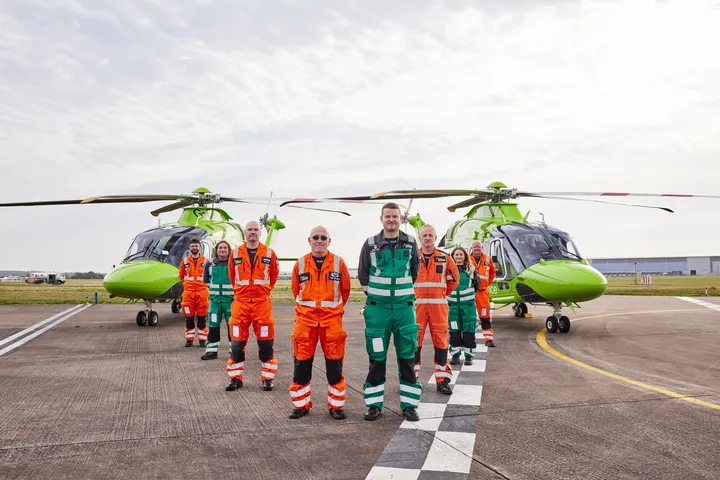
Emergencies Requiring Air Ambulance Response
Air ambulances are essential for conditions needing advanced care during transport:
- Severe HAPE/HACE. Pulmonary or cerebral edema requiring oxygen, medications, and monitoring during rapid descent.
- Traumatic injuries. Fractures, head trauma, or spinal damage needing immobilization and pain management.
- Cardiac crises. Heart attacks or arrhythmias benefiting from defibrillation and cardiac drugs en route.
- Respiratory failure. Cases where ventilation support may be required.
- Complex medical events. Stroke, severe hypothermia, or dehydration leading to shock.
These scenarios demand air ambulance capability beyond basic evacuation.
Air Ambulance Medical Capabilities
Our helicopters function as mobile intensive care units:
- Advanced life support. Ventilators, defibrillators, IV pumps, and suction equipment.
- Monitoring systems. Continuous ECG, pulse oximetry, blood pressure, and capnography.
- Medication suite. Altitude-specific drugs, analgesics, cardiac medications, and sedatives.
- Oxygen systems. High-flow delivery and portable concentrators.
- Intervention tools. Capability for chest decompression, intubation, and fracture stabilization.
This equipment enables treatment comparable to ground ambulance or hospital ER during flight.
Crew Expertise in Air Ambulance Operations
Professional response requires specialized personnel:
- Pilots with high-altitude and mountain flying certification
- Paramedics or physicians trained in critical care and altitude medicine
- Regular simulation training for Kilimanjaro-specific scenarios
- Experience managing hypoxia, trauma, and cardiac events in flight
KiliFlying Air’s crews bring this expertise to every mission.
Air Ambulance Response Procedure
Activation follows streamlined protocols:
- Guide alerts base with patient status and coordinates
- Medical advisory assesses need for air ambulance level care
- Insurance authorization secured rapidly through partnerships
- Helicopter launched with appropriate medical crew
- On-site advanced assessment and preparation
- In-flight critical care during direct hospital routing
This process routinely achieves total response under two hours.
Hospital Coordination and Handover
Seamless transition completes the chain:
- Pre-alerted receiving facility based on condition
- Ground ambulance meet for immediate ICU/ER transfer
- Full medical report handover ensuring continuity
- Repatriation planning initiated if needed
This end-to-end approach maximizes recovery chances.
Real-World Air Ambulance Impact
Our operations have saved numerous lives:
- HAPE patients managed with in-flight oxygen and medications
- Cardiac events treated with immediate defibrillation
- Trauma cases stabilized during rapid descent
- Summit-area crises reaching care within golden hour
These cases demonstrate air ambulance superiority in critical situations.
Frequently Asked Questions
Air ambulance services on Kilimanjaro provide advanced medical transport when emergencies demand it. Trust professional expertise for your safety. Visit our Medical Evacuation page for full details.