Rapid Response Medevac Kilimanjaro: Fastest Emergency Evacuation
Rapid response medevac on Kilimanjaro delivers helicopter evacuation in 30–60 minutes, providing life-saving speed when altitude illness escalates. Time-critical intervention dramatically improves outcomes in high-altitude emergencies.
Rapid Response Medevac Kilimanjaro: Fastest Emergency Evacuation
Kilimanjaro emergencies—particularly severe altitude illness—progress with alarming speed. High Altitude Pulmonary Edema (HAPE) and Cerebral Edema (HACE) can become fatal within hours without rapid descent. Ground evacuation from high camps takes far too long, making rapid response medevac by helicopter the only viable option for critical cases.
KiliFlying Air has optimized every aspect of medevac operations to achieve industry-leading response times, routinely reaching high camps in 30–60 minutes from alert. This speed stems from deliberate investments in basing, aircraft, crews, and coordination systems designed specifically for Kilimanjaro’s unique challenges.
This comprehensive guide examines why speed is paramount in Kilimanjaro medevac, factors enabling rapid response, operational procedures achieving minimal delays, coordination advantages, route-specific performance, and real-world examples demonstrating the life-saving impact of fastest-possible evacuation.
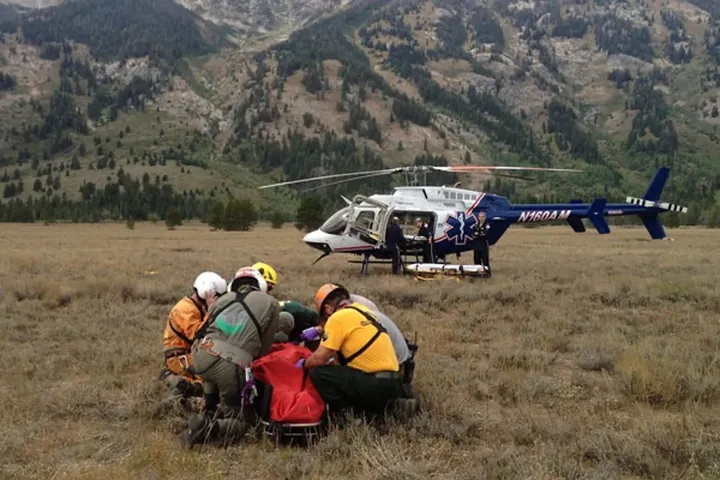
Why Speed Is Critical in Kilimanjaro Medevac
Time sensitivity defines high-altitude emergencies:
- Rapid deterioration. HAPE/HACE progression can turn critical in 2–6 hours.
- Golden hour principle. Intervention within first hour maximizes recovery chances.
- Ground limitations. Descent from Barafu/Kosovo takes 6–12+ hours—unacceptable for severe cases.
- Physiological urgency. Every 30 minutes at extreme altitude worsens hypoxia damage.
- Summit-day clustering. Multiple simultaneous emergencies possible during peak times.
Rapid response medevac directly addresses these constraints, delivering descent measured in minutes rather than hours.
Factors Enabling Rapid Response
Industry-leading speed requires purposeful design:
- Strategic basing. Forward positions minimizing transit time to high camps.
- 24/7 readiness. Crews and aircraft on immediate standby with rapid launch protocols.
- High-performance fleet. Airbus H125/Bell 407 optimized for altitude and speed.
- Direct partnerships. Pre-approved insurance pathways eliminating authorization delays.
- Streamlined communication. Dedicated channels with operators and park authorities.
- Experienced crews. Mountain-specialized pilots executing precision operations efficiently.
KiliFlying Air integrates these elements for consistently fastest response.
Rapid Response Procedure Timeline
Typical sequence achieves minimal delays:
- Alert received: 0 minutes
- Insurance authorization: 5–10 minutes via direct channels
- Helicopter launch: within 15 minutes
- High-camp arrival: 30–60 minutes total from alert
- Hospital transfer: under 2 hours end-to-end
This timeline routinely saves crucial hours compared to alternatives.
Route-Specific Rapid Response Performance
Speed maintained across trails:
- Machame/Lemosho/Umbwe: Direct access to Barafu/Kosovo—fastest times
- Rongai/Northern Circuit: Slightly longer but still under 60 minutes
- Marangu: Quick response with hut system support
- Summit zones: Nearby extraction points enabling rapid intervention
Consistent performance regardless of chosen route.
Real-World Impact of Rapid Response
Speed has directly influenced outcomes:
- HAPE patients reaching care before irreversible lung damage
- HACE cases evacuated with full neurological recovery
- Simultaneous peak-season rescues managed efficiently
- Trauma victims stabilized during fastest possible descent
These results demonstrate rapid response medevac’s profound value.
Frequently Asked Questions
Rapid response medevac on Kilimanjaro saves lives through unmatched speed. Climb with the fastest professional support available. Visit our Medical Evacuation page for details.