Kilimanjaro Altitude Rescue Services: High-Elevation Emergency Response
Kilimanjaro altitude rescue services deliver specialized emergency response for high-elevation crises during treks. Rapid helicopter medevac provides the critical speed and medical care needed when severe altitude illness or injuries strike.
Kilimanjaro Altitude Rescue Services: High-Elevation Emergency Response
Ascending Kilimanjaro exposes trekkers to progressive altitude stress, culminating in extreme hypoxia above 5,000 meters. While most climbers manage with proper acclimatization, severe altitude-related conditions can develop suddenly, demanding immediate professional intervention. Altitude rescue services combine ground capabilities with aerial medevac tailored to high-elevation challenges.
KiliFlying Air leads Tanzania’s altitude rescue operations with helicopters, crews, and protocols optimized for Kilimanjaro’s unique environment. Our services achieve rapid response times and advanced in-flight care, dramatically improving outcomes for climbers in distress.
This comprehensive guide explores high-elevation risks on Kilimanjaro, scenarios requiring altitude rescue, helicopter capabilities, response procedures, coordination systems, route-specific access, and real-world examples of successful high-altitude interventions.
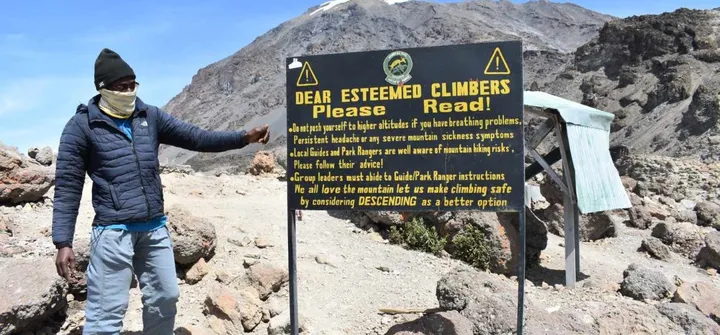
High-Elevation Risks on Kilimanjaro
Progressive altitude creates escalating threats:
- Rapid gain. Most routes ascend 4,000+ meters in days, limiting acclimatization.
- Extreme summit zone. Oxygen levels ~50% of sea level at Uhuru Peak.
- Symptom progression. Mild AMS can escalate to life-threatening HAPE/HACE.
- Remote location. High camps far from medical facilities, complicating ground response.
- Additional hazards. Cold, exhaustion, and terrain injuries compounding altitude stress.
These factors necessitate specialized altitude rescue services.
Scenarios Requiring Altitude Rescue
Rescue activation for time-critical conditions:
- Severe altitude illness. HAPE with pulmonary edema or HACE with cerebral swelling.
- Traumatic injuries. Falls on technical sections or scree fields preventing descent.
- Cardiac/neurological events. Exacerbated by hypoxia and exertion.
- Summit-area crises. Critical deterioration during final ascent or crater zone.
- Inability to descend. Exhaustion or confusion rendering ground evacuation impossible.
Helicopter medevac is often the only effective solution.
High-Altitude Helicopter Capabilities
Specialized aircraft enable operations at extreme elevation:
- Performance margin. Power reserves for operations above 5,000 meters.
- Medical interiors. Full air ambulance configuration with oxygen and monitoring.
- Hoist rescue. Extraction from zones without landing sites.
- In-flight care. Critical interventions during descent.
- Rapid deployment. 24/7 readiness with minimal launch delay.
KiliFlying Air maintains these capabilities at the highest standard.
Altitude Rescue Response Procedure
Coordinated activation ensures efficiency:
- Guide provides initial oxygen/medication and alerts base
- Operator coordinates with insurer and medical advisory
- Helicopter launched upon authorization
- On-site advanced assessment and stabilization
- Aerial extraction with continuous care
- Direct hospital routing
Direct partnerships achieve industry-leading response times.
Route-Specific Altitude Rescue Access
Consistent coverage across trails:
- Machame/Lemosho: Direct high-camp access
- Rongai/Northern Circuit: Remote but reliable response
- Marangu: Hut system facilitating coordination
- Summit zones: Nearby extraction points
Professional services ensure equivalent protection route-wide.
Real-World Altitude Rescue Impact
Professional response has transformed outcomes:
- Hundreds of severe altitude cases reaching care rapidly
- Trauma evacuations preventing shock progression
- Summit-area crises resolved within critical window
- Full recoveries enabled by in-flight stabilization
These interventions underscore altitude rescue services’ essential role.
Frequently Asked Questions
Kilimanjaro altitude rescue services provide essential high-elevation emergency response. Climb with professional protection ready. Visit our Medical Evacuation page for details.