Kilimanjaro Trek Altitude Evacuation: Essential Response Guide
Altitude evacuation during Kilimanjaro treks is the critical response to severe high-altitude illness. When symptoms escalate, rapid descent—often by helicopter medevac—is essential for survival and recovery.
Kilimanjaro Trek Altitude Evacuation: Essential Response Guide
Kilimanjaro treks expose climbers to rapid altitude gain, increasing risk of Acute Mountain Sickness (AMS) and its severe forms: High Altitude Pulmonary Edema (HAPE) and Cerebral Edema (HACE). While mild AMS affects many and often resolves, severe cases require urgent altitude evacuation to prevent permanent damage or fatality.
Descent remains the only definitive treatment—lowering elevation restores oxygen availability and reverses physiological stress. Ground descent from high camps is slow and exhausting; helicopter medevac provides the fastest, safest option. KiliFlying Air specializes in these altitude evacuations, delivering rapid response tailored to trek emergencies.
This in-depth guide covers altitude risks during treks, symptom progression requiring evacuation, descent urgency, ground vs. helicopter methods, response protocols, prevention strategies, and how professional medevac ensures optimal outcomes.
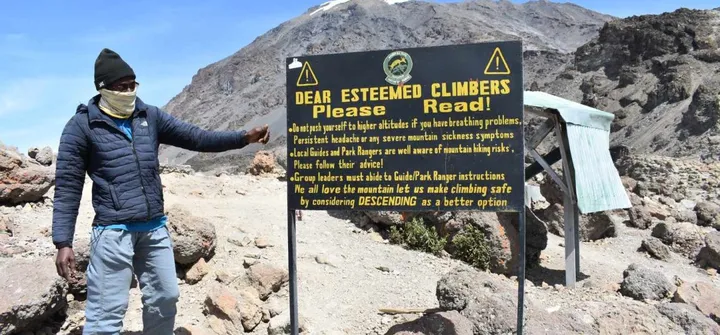
Altitude Risks During Kilimanjaro Treks
Elevation gain creates progressive physiological challenges:
- Rapid ascent profiles. Most routes gain 4,000+ meters in 5–7 days, limiting acclimatization.
- Summit push stress. Final night ascent from 4,600m to 5,895m in cold, low-oxygen conditions.
- Individual variability. Age, fitness, and genetics influence susceptibility.
- Descent phase risks. Symptoms often peak after summit, complicating evacuation.
These factors make altitude evacuation planning essential for every trek.
Symptoms Requiring Altitude Evacuation
Recognize red flags demanding immediate action:
- Moderate AMS progression. Severe headache, nausea, vomiting, dizziness unresponsive to rest/medication after 24 hours.
- HAPE indicators. Shortness of breath at rest, rapid heart rate, cough (dry or productive), blue lips.
- HACE signs. Confusion, ataxia (staggering), severe headache, hallucinations, loss of coordination.
- Any rapid worsening. Despite oxygen or descent attempts.
Guides monitor closely, but climbers must report symptoms early—delays increase evacuation urgency.
Urgency and Timing of Altitude Evacuation
Severe altitude illness progresses quickly:
- HAPE/HACE can become critical in hours
- Optimal descent window: within 1–2 hours of severe symptoms
- Every hour delayed worsens prognosis significantly
- Ground descent from high camps: 6–12+ hours—often too slow
Helicopter medevac meets the required speed, achieving descent in minutes with medical support.
Ground vs. Helicopter Altitude Evacuation
Compare methods:
| Method | Descent Time | Best For | Limitations |
|---|---|---|---|
| Ground Descent | 6–12+ hours | Mild/moderate AMS | Too slow for severe cases; exhausting |
| Helicopter Medevac | 30–60 minutes | Severe HAPE/HACE, trauma | Weather-dependent; requires insurance |
Professional services prioritize helicopter for any serious altitude evacuation.
Altitude Evacuation Response Protocol
Coordinated steps ensure efficiency:
- Guide administers oxygen/medication and alerts base
- Operator coordinates with insurer for authorization
- KiliFlying Air launches high-altitude helicopter
- In-flight stabilization and direct hospital transfer
Direct partnerships enable launch within minutes of approval.
Prevention to Reduce Evacuation Needs
Minimize altitude risks through:
- Longer acclimatization routes
- Slow pacing and hydration
- Early symptom reporting
- Prophylactic medication consultation
Prevention complements reliable evacuation planning.
Frequently Asked Questions
Altitude evacuation during Kilimanjaro treks demands swift, professional response. Prepare thoroughly and know help is available. Visit our Medical Evacuation page for more resources.