Kilimanjaro Trekking Safety Evacuation: Comprehensive Strategies
Kilimanjaro trekking safety evacuation integrates prevention, preparation, insurance, and professional medevac to protect climbers. This multi-layered approach ensures rapid, effective response when altitude illness or injuries occur during treks.
Kilimanjaro Trekking Safety Evacuation: Comprehensive Strategies
Trekking Kilimanjaro is a transformative experience, but the combination of rapid altitude gain, physical demands, and remote terrain creates inherent safety considerations. Altitude-related illness remains the primary concern, with potential for severe progression requiring urgent evacuation. Injuries from falls or exhaustion add further complexity in areas far from medical facilities.
Effective trekking safety evacuation strategies address these risks holistically—prioritizing prevention while ensuring robust response capabilities. Professional helicopter medevac forms the cornerstone of rapid intervention, supported by thorough preparation and appropriate insurance. KiliFlying Air contributes critical aerial expertise to this ecosystem.
This comprehensive guide explores layered safety evacuation approaches for Kilimanjaro treks, from foundational prevention through advanced medevac execution, providing climbers and operators with actionable strategies for maximum protection.
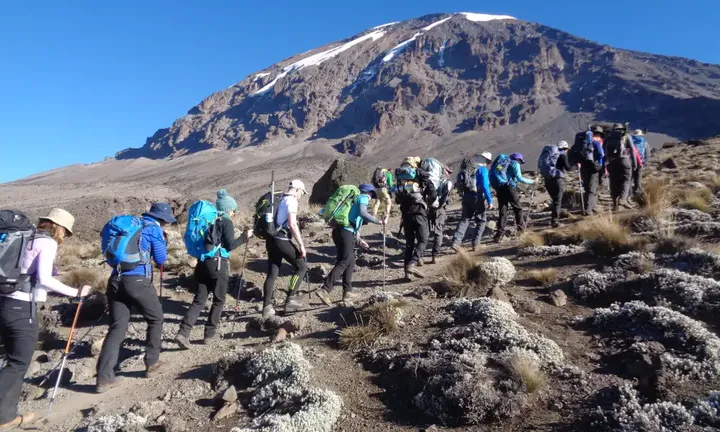
Prevention: Foundation of Trekking Safety
The most effective evacuation strategy minimizes the need for one:
- Route selection. Longer itineraries (7–9 days) like Lemosho or Northern Circuit allow superior acclimatization, reducing severe altitude illness risk significantly.
- Operator standards. Choose companies with medically trained guides, emergency oxygen, pulse oximeters, and established medevac partnerships.
- Pre-trek preparation. Fitness training, medical consultation, and honest disclosure of health conditions.
- On-trek practices. “Pole pole” pacing, aggressive hydration (4–5 liters daily), calorie intake despite reduced appetite, and immediate symptom reporting.
- Medication options. Prophylactic acetazolamide or dexamethasone after physician guidance.
- Daily monitoring. Regular health checks and oximeter readings by guides.
These measures form the strongest defense against evacuation scenarios.
Preparation: Building Safety Evacuation Readiness
Prepared climbers enhance response effectiveness:
- Comprehensive insurance. High-altitude helicopter medevac coverage with sufficient limits and direct coordination.
- Medical documentation. Share conditions, medications, and allergies with guide/operator.
- Itinerary sharing. Provide detailed schedule to family with emergency contacts.
- Communication tools. Understand operator radio/satellite system; consider personal beacon.
- Emergency protocol review. Discuss evacuation triggers and procedures pre-trek.
Thorough preparation ensures seamless activation when needed.
Insurance Integration for Safety Evacuation
Quality coverage enables rapid medevac:
- High-altitude provisions to 6,000m
- Helicopter limits $100,000–$300,000+
- Direct partnerships for instant authorization
- Medical and repatriation expenses
This integration removes financial barriers during critical moments.
Emergency Evacuation Response Layers
Safety evacuation employs progressive response:
- Initial care. Guide-administered oxygen, medication, and rest
- Ground descent. For milder cases with porter support
- Helicopter medevac. For severe conditions requiring rapid intervention
- Hospital transfer. Direct routing to advanced facilities
Professional systems escalate appropriately based on severity.
Professional Helicopter Medevac Role
Aerial response provides decisive advantage:
- Rapid descent achieving physiological relief in minutes
- In-flight medical stabilization
- Access to high camps and summit zones
- Consistent performance across routes
KiliFlying Air delivers this capability with proven reliability.
Real-World Safety Evacuation Impact
Integrated strategies have transformed outcomes:
- Reduced severe altitude illness through better prevention
- Faster response times via insurance coordination
- Successful helicopter evacuations preventing permanent damage
- Improved overall climber safety record
This layered approach has made Kilimanjaro one of the safer high-altitude treks globally.
Frequently Asked Questions
Kilimanjaro trekking safety evacuation strategies protect climbers through integrated prevention and response. Trek confidently with comprehensive planning. Visit our Medical Evacuation page for professional support.