Kilimanjaro Trek Medical Evacuation: Safety Guide for Trekkers
Trekking Kilimanjaro is an extraordinary adventure, but the high altitude and demanding terrain mean medical emergencies can occur. Understanding medical evacuation procedures ensures you trek with confidence and safety.
Kilimanjaro Trek Medical Evacuation: Safety Guide for Trekkers
A Kilimanjaro trek pushes the human body to its limits, with routes ascending through diverse ecosystems to reach 5,895 meters. While the vast majority of trekkers complete their journey without serious issues, the combination of extreme altitude, physical exertion, and remote location creates risks that can necessitate medical evacuation.
Professional medical evacuation services, particularly helicopter-based, are the cornerstone of safety on the mountain. KiliFlying Air has years of experience providing rapid, reliable medevac support to trekking groups across all major routes, working closely with operators to ensure seamless emergency response.
This detailed guide explores the realities of medical evacuation during a Kilimanjaro trek—from understanding the risks and recognizing warning signs to the evacuation process, insurance considerations, and how modern services like ours protect trekkers every step of the way.
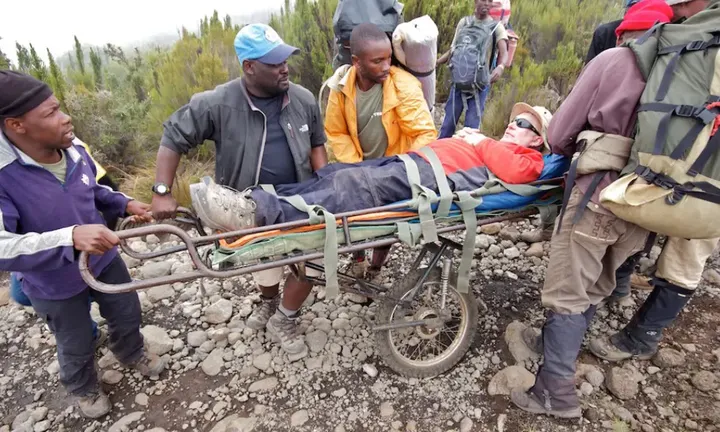
Understanding the Risks on a Kilimanjaro Trek
Altitude-related illness is the primary concern for most trekkers. Acute Mountain Sickness (AMS) affects up to 75% of climbers to varying degrees, but in severe cases it can progress to life-threatening High Altitude Pulmonary Edema (HAPE) or Cerebral Edema (HACE). These conditions develop when the body fails to adapt to decreasing oxygen levels, leading to fluid accumulation in the lungs or brain.
Other risks include traumatic injuries from slips on loose scree or ice, dehydration leading to heat exhaustion, hypothermia during cold nights, and pre-existing medical conditions exacerbated by the trek’s demands. While experienced guides monitor trekkers closely, some situations require professional medical evacuation beyond ground assistance.
Recognizing When Medical Evacuation Is Necessary
Early intervention is key. Guides are trained to spot symptoms that indicate a trekker should descend immediately. Mild AMS often improves with rest, hydration, and medication, but persistent or worsening symptoms—such as severe headache, vomiting, confusion, shortness of breath at rest, or loss of coordination—signal the need for urgent evacuation.
In these cases, walking descent may be too slow or impossible. Helicopter medical evacuation becomes the safest and fastest option, allowing rapid transport to lower altitude and professional hospital care.
The Medical Evacuation Process During a Trek
Modern evacuation procedures are highly coordinated. When a guide identifies a serious case, they alert the tour operator’s base and KiliFlying Air’s 24/7 operations center using radio or satellite communication. GPS coordinates are shared for precise location.
Insurance details are verified quickly through established partnerships, securing a Guarantee of Payment so the helicopter can launch without delay. Our pilots, experienced in mountain flying, navigate to the nearest suitable landing zone or perform a hoist extraction if needed. The patient receives initial medical care in-flight before direct transfer to hospitals in Moshi or Arusha.
How Trek Routes Affect Evacuation
Different routes present varying evacuation challenges. The Marangu Route, with its hut accommodations and more accessible paths, often allows easier ground support in lower sections. In contrast, remote routes like the Northern Circuit or Lemosho require greater reliance on air evacuation at higher altitudes due to longer distances from gates.
Popular high camps such as Barafu (on Machame, Lemosho, and Umbwe routes) and Kibo Hut (Marangu) have established landing zones, enabling faster response times. Our team maintains detailed knowledge of all routes to optimize evacuation planning.
The Role of Insurance in Trek Medical Evacuation
Comprehensive insurance with explicit high-altitude trekking and helicopter evacuation coverage is mandatory with reputable operators. Policies must include sufficient limits—typically $100,000 or more—to cover potential costs. KiliFlying Air’s partnerships with leading providers streamline the authorization process, eliminating financial barriers during emergencies.
Prevention and Preparation Tips for Trekkers
While evacuation services exist, prevention remains the best strategy. Choosing longer routes (7–9 days) allows better acclimatization, significantly reducing severe altitude illness risk. Staying hydrated, eating well, and ascending slowly (“pole pole”) are fundamental.
Trekkers should disclose medical history to operators, consider prophylactic medication like Diamox after consulting a doctor, and carry personal satellite communicators for added security. Climbing with experienced operators partnered with reliable medevac services provides an essential safety layer.
Frequently Asked Questions
Trek Kilimanjaro with peace of mind knowing professional medical evacuation services are available. For more information, explore our Medical Evacuation services or contact our team for personalized advice.