Altitude Sickness Evacuation on Kilimanjaro: Critical Guide
Altitude sickness is the most common medical issue faced by climbers on Mount Kilimanjaro. While mild symptoms often resolve with rest or descent, severe cases can become life-threatening within hours, making rapid evacuation essential.
KiliFlying Air specializes in high-altitude rescues for altitude sickness victims on Kilimanjaro. Our helicopters can reach remote camps quickly, providing the fastest descent possible—the only proven treatment for severe altitude illness.
Understanding Altitude Sickness on Kilimanjaro
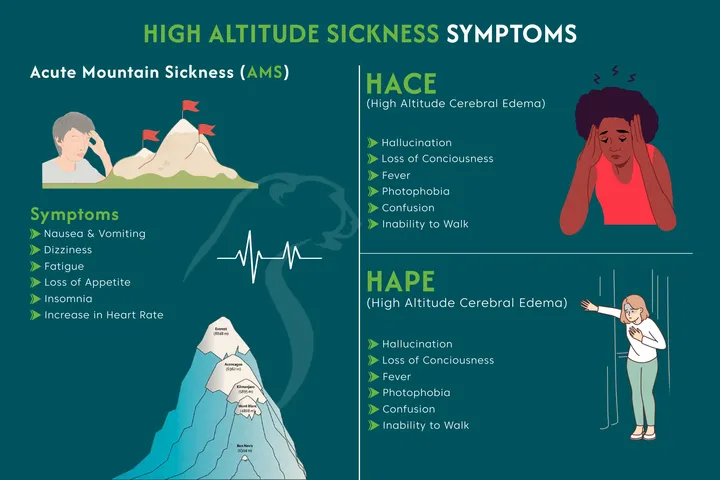
As climbers ascend above 2,500 meters, oxygen levels drop dramatically. The body struggles to adapt, leading to:
- Acute Mountain Sickness (AMS) – headache, nausea, fatigue
- High Altitude Pulmonary Edema (HAPE) – fluid in lungs
- High Altitude Cerebral Edema (HACE) – brain swelling
HAPE and HACE are medical emergencies with mortality rates up to 50% without rapid treatment.
When Evacuation Becomes Necessary
Evacuation is required when:
- Symptoms worsen despite rest and medication
- Shortness of breath at rest
- Confusion, ataxia (loss of coordination)
- Coughing pink or frothy sputum
- Inability to walk or severe headache
The Evacuation Process for Altitude Sickness
Speed is critical. Our process ensures minimal delay:
- Guide recognizes severe symptoms and alerts base
- Direct call to KiliFlying Air’s 24/7 center
- Insurance authorization obtained instantly
- Helicopter reaches patient in 30–60 minutes
- Patient flown to lower altitude hospital immediately
Prevention Strategies
- Choose routes with gradual ascent (Lemosho, Northern Circuit)
- Hydrate well and eat carbohydrate-rich foods
- Consider prophylactic Diamox (consult doctor)
- Pole pole – climb slowly
- Monitor oxygen saturation with pulse oximeter
Insurance and Coverage
Standard travel insurance often excludes high-altitude activities. Ensure your policy covers trekking above 5,000m and helicopter evacuation. We work directly with major providers for seamless claims.
Frequently Asked Questions
Don’t let altitude sickness ruin your Kilimanjaro dream. Prepare properly and know that KiliFlying Air is ready 24/7. Visit our Medical Evacuation page for more details.
Request Emergency Assistance