Kilimanjaro Altitude Sickness Rescue: Rapid Response Guide
Altitude sickness is the leading cause of emergencies on Kilimanjaro. When severe cases develop, professional rescue with rapid helicopter evacuation is essential for survival and recovery.
Kilimanjaro Altitude Sickness Rescue: Rapid Response Guide
Altitude sickness, or Acute Mountain Sickness (AMS), affects many Kilimanjaro climbers due to the mountain’s rapid elevation gain. While mild cases often resolve with rest, severe progression to High Altitude Pulmonary Edema (HAPE) or Cerebral Edema (HACE) requires immediate rescue.
Descent is the only definitive treatment for severe altitude sickness. In remote high camps, helicopter rescue provides the fastest descent, dramatically improving outcomes. KiliFlying Air specializes in these critical altitude sickness rescues.
This guide covers altitude sickness symptoms, when rescue is needed, response procedures, and how professional helicopter evacuation saves lives on Kilimanjaro.
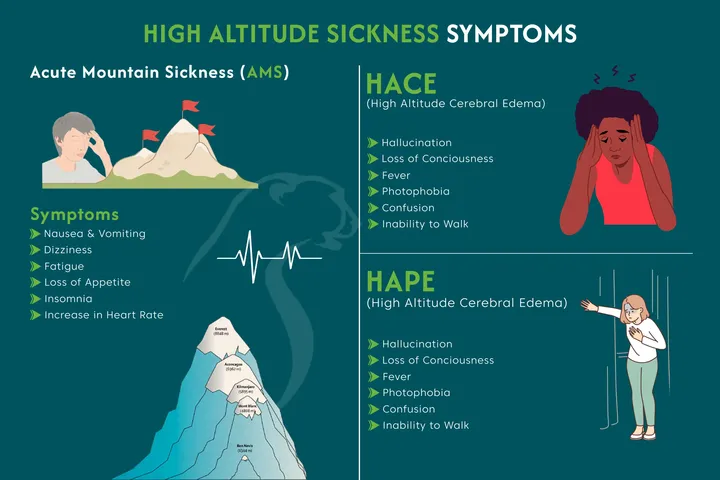
Understanding Altitude Sickness Progression
Altitude sickness develops as oxygen levels drop with elevation:
- Mild AMS. Headache, nausea, fatigue—manageable with rest and medication.
- Moderate AMS. Worsening symptoms unresponsive to treatment.
- HAPE. Fluid in lungs causing shortness of breath at rest and cough.
- HACE. Brain swelling leading to confusion, ataxia, and altered consciousness.
HAPE and HACE are medical emergencies requiring urgent rescue.
When Altitude Sickness Rescue Is Required
Guides monitor symptoms closely, initiating rescue when:
- Symptoms fail to improve or worsen despite oxygen/medication
- Signs of HAPE/HACE appear (life-threatening)
- Patient cannot walk or descend independently
- Time to ground descent exceeds safe window
Altitude Sickness Rescue Procedure
Professional response is swift and coordinated:
- Guide administers oxygen and alerts operations
- Insurance verification for immediate authorization
- KiliFlying Air dispatches high-altitude helicopter
- Patient extracted and provided in-flight care
- Direct transport to hospital for advanced treatment
Prevention to Reduce Rescue Needs
While rescue services exist, prevention remains key:
- Longer routes for gradual acclimatization
- Slow pacing and adequate hydration
- Early symptom reporting to guides
- Consideration of prophylactic medication
Frequently Asked Questions
Altitude sickness rescue on Kilimanjaro demands expertise and speed. Prepare thoroughly and climb safely. Visit our Medical Evacuation page for more safety resources.