Kilimanjaro Emergency Air Rescue: Rapid Aerial Response
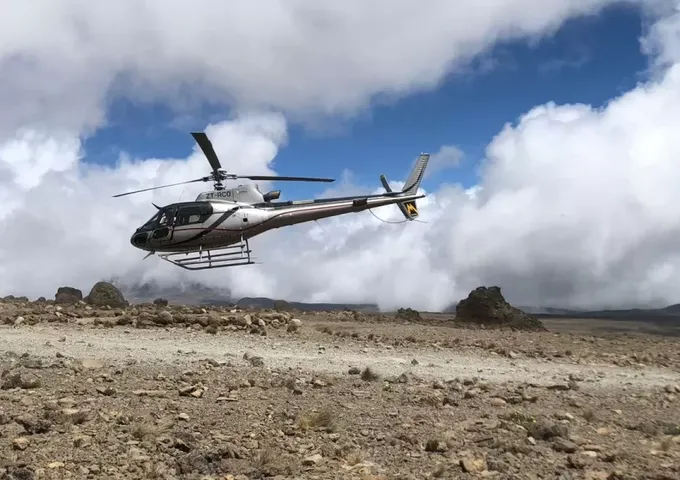
Emergency air rescue on Kilimanjaro delivers rapid helicopter medevac when altitude illness or injuries escalate. Professional aerial response provides the speed and medical support essential for life-saving outcomes in remote high-elevation zones.
Kilimanjaro Emergency Air Rescue: Rapid Aerial Response
Kilimanjaro emergencies often develop with little warning—severe altitude illness can progress rapidly, and injuries on steep terrain can immobilize climbers far from help. Ground evacuation is frequently too slow or impractical, making emergency air rescue the definitive solution for critical cases.
KiliFlying Air specializes in emergency air rescue, deploying helicopters configured as air ambulances with crews trained for high-altitude operations. Our rapid response capability has become the benchmark for climber safety on Kilimanjaro.
This comprehensive guide examines emergency air rescue needs on Kilimanjaro, critical scenarios, helicopter technical requirements, response timelines, coordination protocols, access considerations, and real-world examples demonstrating aerial rescue impact.
Critical Scenarios Requiring Emergency Air Rescue
Certain conditions demand aerial intervention:
- Severe HAPE/HACE. Pulmonary or cerebral edema progressing despite ground treatment.
- Traumatic injuries. Fractures, head trauma, or spinal issues preventing descent.
- Cardiac crises. Heart attacks or arrhythmias in low-oxygen environment.
- Summit-area emergencies. Critical deterioration near Uhuru Peak.
- Multiple casualties. Group incidents during peak-season weather events.
Emergency air rescue addresses these time-sensitive threats.
Technical Requirements for Emergency Air Rescue
Operations demand specialized capability:
- High-altitude performance. Power margin for operations above 5,000 meters.
- Medical configuration. Full air ambulance interiors with critical care equipment.
- Precision tools. Hoist systems for inaccessible terrain.
- Rapid launch. 24/7 readiness with minimal activation delay.
- Crew specialization. Pilots and medical teams experienced in mountain rescues.
KiliFlying Air maintains these standards consistently.
Emergency Air Rescue Response Timeline
Optimized process achieves speed:
- Alert received: 0 minutes
- Insurance authorization: 5–15 minutes via partnerships
- Helicopter airborne: within 20 minutes
- High-camp arrival: 30–60 minutes total
- Hospital delivery: under 2 hours end-to-end
This timeline routinely saves critical hours.
Access and Coverage for Emergency Air Rescue
Reliable response across routes:
- Machame/Lemosho: Direct high-camp access
- Rongai/Northern Circuit: Precision operations in remote zones
- Marangu: Rapid hut-system coordination
- Summit proximity: Nearby extraction points
Consistent emergency air rescue capability route-wide.
Real-World Emergency Air Rescue Impact
Aerial response has transformed outcomes:
- Summit-zone HACE cases with neurological recovery
- Barafu trauma patients reaching care within golden hour
- Multiple rescues during adverse weather
- Consistent success across elevation zones
These interventions highlight emergency air rescue value.
Frequently Asked Questions
Emergency air rescue on Kilimanjaro provides rapid, professional aerial response when emergencies demand it. Climb with expert support ready. Visit our Medical Evacuation page for details.