Altitude Emergency Plan Kilimanjaro: Critical Response Strategies
An altitude emergency plan for Kilimanjaro provides structured response to high-altitude illness during climbs. Integrating prevention, early recognition, ground care, and rapid helicopter medevac ensures the best possible outcomes when crises develop.
Altitude Emergency Plan Kilimanjaro: Critical Response Strategies
Kilimanjaro’s rapid elevation gain to nearly 6,000 meters creates significant risk of altitude-related illness for even fit climbers. While most cases remain mild, severe progression to High Altitude Pulmonary Edema (HAPE) or Cerebral Edema (HACE) demands immediate, decisive action. An effective altitude emergency plan addresses this spectrum with layered prevention and response.
Professional plans combine operator expertise, guide training, medical resources, insurance coordination, and helicopter medevac capability. KiliFlying Air supports this ecosystem with rapid aerial response tailored to altitude crises.
This comprehensive guide details altitude emergency planning for Kilimanjaro, from foundational prevention through advanced medevac execution, providing climbers with essential strategies for safety.
Prevention: Reducing Altitude Emergency Risk
Strongest plans prioritize avoiding crises:
- Route and itinerary. 7–9 day routes with gradual gain (Lemosho, Northern Circuit) significantly lower severe illness incidence.
- Operator quality. Companies with altitude-trained guides, oxygen, oximeters, and medevac partnerships.
- Pre-climb preparation. Fitness, medical screening, and condition disclosure.
- On-mountain practices. “Pole pole” pacing, 4–5L hydration daily, nutrition, rest days utilization.
- Medication. Prophylactic acetazolamide or dexamethasone after physician consultation.
- Monitoring. Daily health checks and oximeter readings.
Prevention dramatically reduces emergency likelihood.
Recognition: Identifying Altitude Emergencies
Early detection enables timely response:
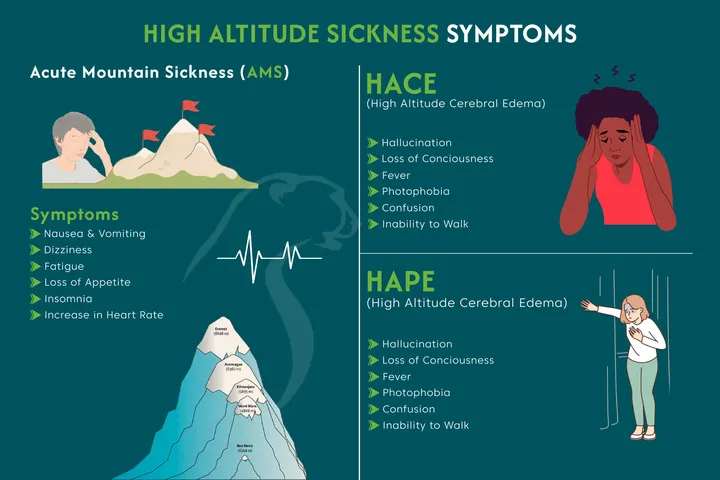
- Mild AMS. Headache, nausea, fatigue—common and often self-resolving.
- Moderate AMS. Persistent symptoms despite rest/medication—trigger for descent consideration.
- HAPE signs. Breathlessness at rest, cough, rapid breathing, blue lips—immediate action required.
- HACE signs. Ataxia (staggering), confusion, severe headache, altered consciousness—critical emergency.
Guides use Lake Louise scoring and clinical assessment for objective decisions.
Ground Response: Initial Altitude Emergency Care
First measures buy critical time:
- Stop ascent and rest
- Supplemental oxygen administration
- Medications (acetazolamide, dexamethasone, nifedipine)
- Portable hyperbaric chamber if available
- Ground descent when patient stable
These steps manage milder cases but have limits for severe progression.
Helicopter Medevac: Rapid Response Layer
When time is critical:
- Thousands of feet descent in minutes
- In-flight oxygen and medical stabilization
- Direct hospital transfer
- Access to high camps and summit zones
KiliFlying Air provides this decisive capability.
Insurance and Coordination Integration
Seamless activation requires:
- High-altitude helicopter coverage
- Direct insurer partnerships for instant authorization
- Pre-trek medical and itinerary sharing
This eliminates delays in critical moments.
Real-World Altitude Emergency Outcomes
Integrated plans have transformed safety:
- Reduced severe cases through better prevention
- Faster interventions preventing permanent damage
- High success rates in helicopter evacuations
- Improved overall climber safety record
Structured planning saves lives and enables safe adventures.
Frequently Asked Questions
An altitude emergency plan for Kilimanjaro protects climbers through integrated prevention and response. Prepare thoroughly for confident ascent. Visit our Medical Evacuation page for professional support.