Tanzania Medical Evacuation Kilimanjaro: Nationwide Emergency Services
Tanzania’s vast wilderness and high-altitude attractions draw adventurers from around the world, but remote locations mean medical emergencies require specialized evacuation services. KiliFlying Air delivers professional helicopter medevac across the entire country.
Tanzania Medical Evacuation Kilimanjaro: Nationwide Emergency Services
From the snow-capped summit of Kilimanjaro to the endless plains of the Serengeti and the pristine beaches of Zanzibar, Tanzania offers unparalleled adventure. Yet these same remote and rugged environments present significant medical risks—limited road access, distant hospitals, and rapid-onset conditions like altitude sickness or safari injuries.
Reliable medical evacuation services are therefore essential for safe travel in Tanzania. KiliFlying Air operates the country’s most comprehensive air ambulance network, with bases strategically positioned to reach any location quickly. Our helicopters are equipped as flying intensive care units, and our teams coordinate seamlessly with local authorities, tour operators, and international insurers.
This guide explores medical evacuation needs across Tanzania’s key regions, common emergencies, our nationwide capabilities, and why comprehensive coverage is vital for every visitor.
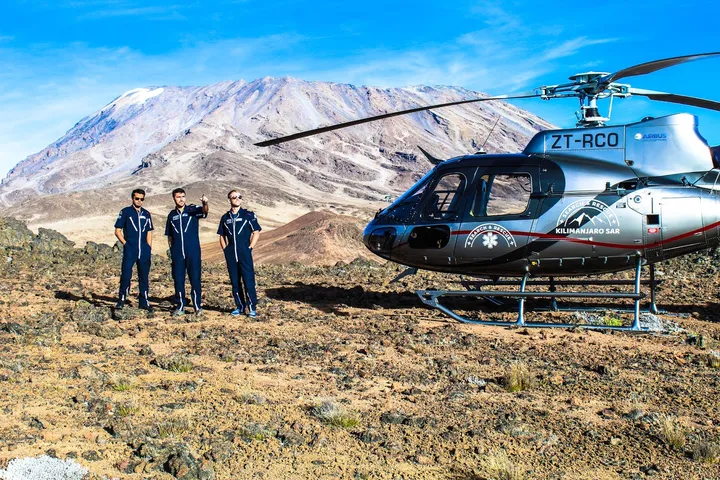
Medical Evacuation on Kilimanjaro
Kilimanjaro remains our most frequent medevac destination due to altitude-related illnesses. Severe cases of HAPE or HACE develop quickly above 4,000 meters, where ground descent is often too slow. Our high-altitude helicopters reach camps like Barafu or the crater rapidly, providing immediate stabilization and transport to hospitals in Moshi or Arusha.
Safari Parks and Remote Northern Circuit
The Serengeti, Ngorongoro Crater, Tarangire, and Lake Manyara attract millions for wildlife viewing, but vast distances and rough terrain complicate ground ambulances. Injuries from vehicle accidents, animal encounters, or sudden illness require swift airlift. We maintain quick-response positioning during peak safari seasons to serve these areas effectively.
Southern Parks and Coastal Regions
Less-visited gems like Ruaha, Nyerere (Selous), and Mikumi also benefit from our nationwide coverage. Coastal areas including Dar es Salaam and Zanzibar see diving accidents, infections, or cardiac events among tourists. Inter-island transfers and mainland evacuations are routine operations for our fleet.
Common Emergencies Requiring Evacuation in Tanzania
| Region | Common Emergencies | Typical Response |
|---|---|---|
| Kilimanjaro & Northern Mountains | Altitude sickness (HAPE/HACE), trauma from falls | High-altitude helicopter extraction to Moshi/Arusha |
| Serengeti & Ngorongoro | Vehicle accidents, animal injuries, heat exhaustion | Rapid pickup from airstrips or direct landing |
| Zanzibar & Coast | Diving decompression illness, infections, cardiac events | Island-to-mainland transfer to specialized facilities |
| Southern Parks | Malaria complications, snake bites, remote trauma | Long-range evacuation to Dar es Salaam hospitals |
Our Nationwide Medevac Capabilities
KiliFlying Air’s fleet and infrastructure enable coverage across all of Tanzania:
- Multiple bases for reduced response times
- Helicopters equipped with stretchers, oxygen, monitors, and medications
- 24/7 operations center with direct insurer coordination
- Experienced pilots trained in mountain and bush flying
- Partnerships with major hospitals in Arusha, Dar es Salaam, and Nairobi
Insurance and Preparation for Tanzania Travel
All reputable operators require comprehensive travel insurance including medical evacuation coverage suitable for remote areas and high-altitude activities. Policies should explicitly cover helicopter transport without altitude restrictions.
We recommend providers we partner with regularly to ensure seamless authorization during emergencies.
Frequently Asked Questions
Travel Tanzania with confidence knowing professional medical evacuation services cover the entire country. Contact us or visit our Medical Evacuation page for more details.