Rapid Air Rescue Kilimanjaro: Fastest Emergency Response
Rapid air rescue on Kilimanjaro minimizes critical time gaps in high-altitude emergencies through immediate helicopter deployment and optimized protocols. KiliFlying Air consistently delivers the fastest medevac response available on the mountain.
Rapid Air Rescue Kilimanjaro: Fastest Emergency Response
In severe altitude emergencies, every minute counts—rapid descent is the only effective treatment for HAPE and HACE. Delays in evacuation can turn recoverable conditions into irreversible damage or fatalities. Speed is therefore the defining factor in Kilimanjaro air rescue success.
KiliFlying Air has engineered its entire operation around minimizing response time: from 24/7 aircraft readiness and crew alerting systems to direct communication channels with major climbing operators and parallel insurance processing.
This detailed examination explores the components enabling ultra-rapid deployment, real-world response timelines, dispatch optimization strategies, crew readiness protocols, technological enablers, and proven outcomes from hundreds of urgent missions.
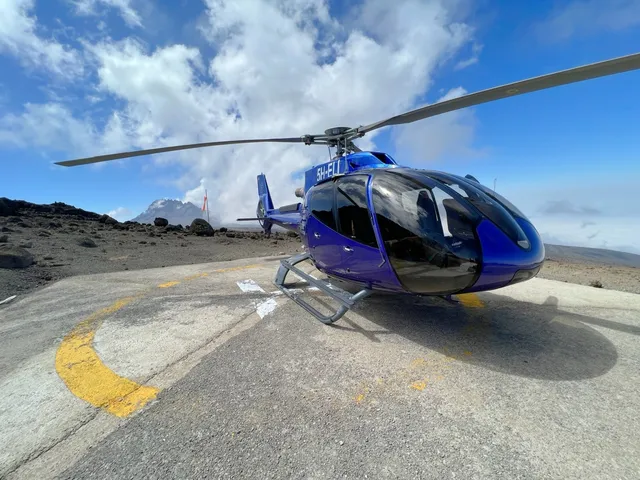
Components of Rapid Response Capability
Speed built on multiple layers:
- Strategic basing in Kilimanjaro region for minimal transit time
- Helicopters maintained in immediate launch configuration
- Crews on 15-minute alert status around the clock
- Pre-loaded flight plans for common high-camp locations
- Direct satellite and radio monitoring of climbing frequencies
- Automated alerting systems triggering pilot and medical teams
These elements shave critical minutes off every phase.
Typical Response Timeline Breakdown
From alert to hospital:
- 0–5 minutes: Guide reports emergency with GPS coordinates
- 5–15 minutes: Crew alerted, aircraft startup, insurance verification initiated
- 15–45 minutes: Flight to high camp (average 30 minutes)
- 45–60 minutes: On-site patient loading and stabilization
- 60–90 minutes: Return flight to hospital with in-flight care
Total time routinely under 2 hours—even from summit-area camps.
Dispatch Optimization Strategies
Efficiency drivers include:
- Dedicated emergency hotline bypassing general inquiries
- Pre-established partnerships with all major operators
- Parallel processing: flight launch simultaneous with insurance approval
- Templated reporting forms for guides ensuring complete data
- Real-time GPS tracking integration with dispatch software
Streamlined workflows eliminate traditional bottlenecks.
Crew and Aircraft Readiness Protocols
Constant preparedness maintained through:
- Daily aircraft inspections and fuel-topped status
- Rotating crew schedules ensuring rested teams
- Regular rapid-launch drills timed and critiqued
- Medical kits checked and restocked after every mission
- Pilot currency in high-altitude procedures
No time lost to preparation when seconds matter.
Technological Enablers of Speed
Modern tools accelerate response:
- Satellite communicators carried by all reputable guides
- GPS-enabled emergency apps with one-touch alerting
- Weather radar integration for immediate go/no-go decisions
- Digital flight planning tablets with pre-loaded routes
- Electronic patient care records for seamless hospital handover
Technology compresses decision and coordination timelines.
Real-World Rapid Rescue Outcomes
Proven performance:
- Multiple same-day full recoveries from severe HAPE/HACE
- Sub-60-minute arrivals during peak season congestion
- Consistent rapid response across weather challenges
- Recognition as fastest provider by operators and insurers
Speed directly translates to saved lives and preserved health.
Frequently Asked Questions
Rapid air rescue on Kilimanjaro turns potential tragedies into success stories through relentless focus on speed without compromising safety. Partner with providers offering proven fastest response. Visit our Medical Evacuation page for full operational details.