Safe Kilimanjaro High Altitude Rescue: Professional Standards
Safe high-altitude rescue on Kilimanjaro demands the highest operational standards, specialized equipment, expert crews, and rigorous safety protocols. KiliFlying Air prioritizes safety above all, delivering reliable life-saving evacuations in one of the world’s most challenging environments.
Safe Kilimanjaro High Altitude Rescue: Professional Standards
Operating at altitudes exceeding 5,000 meters in extreme terrain and unpredictable weather requires uncompromising commitment to safety. High-altitude helicopter rescue on Kilimanjaro is inherently complex—reduced air density impacts aircraft performance, oxygen levels challenge crews, and landing zones are often improvised on steep slopes.
KiliFlying Air has built its reputation on an impeccable safety record, investing heavily in aircraft, training, technology, and procedures specifically tailored for Kilimanjaro operations. Every mission balances urgency with calculated risk management to protect both patients and crews.
This detailed guide examines the multiple layers of safety built into high-altitude rescue operations: aircraft selection, pilot qualifications, medical crew expertise, operational protocols, weather decision-making, equipment redundancy, and continuous improvement processes.
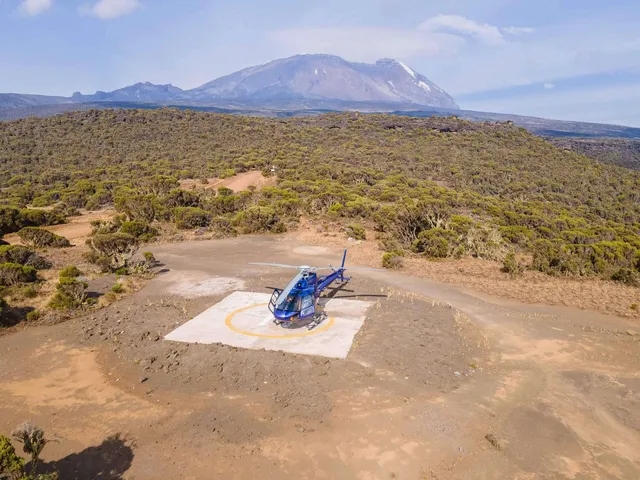
Aircraft Optimized for High-Altitude Performance
Safety begins with the right equipment:
- Modern turbine helicopters with proven high-altitude capability and excess power margins
- Dual hydraulic and electrical systems for redundancy
- Advanced avionics including terrain awareness and warning systems (TAWS)
- Oxygen systems for crew and patient
- Regular maintenance exceeding manufacturer recommendations
- Performance calculations for every mission based on weight, altitude, and temperature
These features ensure reliable operation even at the limits of the performance envelope.
Pilot Expertise and Specialized Training
Pilots are the cornerstone of safe operations:
- Thousands of hours in mountain and high-altitude environments
- Specific Kilimanjaro route and landing zone familiarity
- Regular simulator training for emergency procedures
- Human factors and crew resource management (CRM) training
- Conservative personal minimums exceeding regulatory requirements
- Annual proficiency checks in high-density-altitude operations
Experience and disciplined decision-making prevent accidents before they can occur.
Medical Crew Aeromedical Training
Professional medical response enhances safety:
- Paramedics and nurses with critical care and trauma certifications
- Specific training in altitude physiology and high-altitude pathology
- Aeromedical evacuation courses covering in-flight patient management
- Regular scenario-based training with pilots for seamless coordination
- Equipment familiarity for rapid intervention in confined spaces
Trained crews stabilize patients effectively while managing flight-related challenges.
Rigorous Operational Safety Protocols
Standardized procedures minimize risk:
- Detailed pre-flight risk assessment matrix
- Two-pilot decision-making for marginal conditions
- Go/no-go checklists incorporating weather, aircraft status, and crew readiness
- Multiple alternate landing sites identified before departure
- Real-time flight following and satellite communication
- Post-mission debriefing and safety reporting culture
Structured processes ensure consistent, safe outcomes across all missions.
Weather Risk Management
Mountain weather demands vigilance:
- Access to dedicated aviation meteorologists
- Multiple weather sources cross-verified
- Conservative visibility, wind, and cloud base minimums
- Continuous in-flight weather monitoring
- Pilot authority to divert or abort without question
Proactive weather management prevents exposure to unnecessary hazards.
Continuous Safety Improvement
Safety culture drives ongoing enhancement:
- Voluntary safety reporting system
- Regular independent safety audits
- Investment in new technology and training
- Collaboration with international aeromedical organizations
- Transparent incident review and lessons learned
Commitment to excellence maintains the highest standards year after year.
Proven Safety Record
Results demonstrate effectiveness:
- Hundreds of successful high-altitude evacuations
- Zero accidents or serious incidents in medevac operations
- Recognition from climbing operators and insurance providers
- Consistent reliability across all weather seasons
Safety is not theoretical—it is proven in every mission.
Frequently Asked Questions
Safe Kilimanjaro high-altitude rescue combines cutting-edge equipment, elite training, and disciplined procedures to deliver reliable outcomes when lives depend on it. Trust KiliFlying Air for the highest safety standards. Visit our Medical Evacuation page for complete service details.