Medical Evacuation Kilimanjaro Safari: Complete Coverage
Medical evacuation for Kilimanjaro and safari adventures offers unified helicopter air ambulance protection across Tanzania’s premier experiences. Single-provider rapid response ensures safety from high-altitude climbs to remote wildlife areas.
Medical Evacuation Kilimanjaro Safari: Complete Coverage
Many travelers combine Kilimanjaro climbs with northern Tanzania safaris, creating extended itineraries in remote environments. Medical risks differ—altitude illness dominates on the mountain while trauma and medical events prevail in the bush—yet both require the same rapid helicopter evacuation capability.
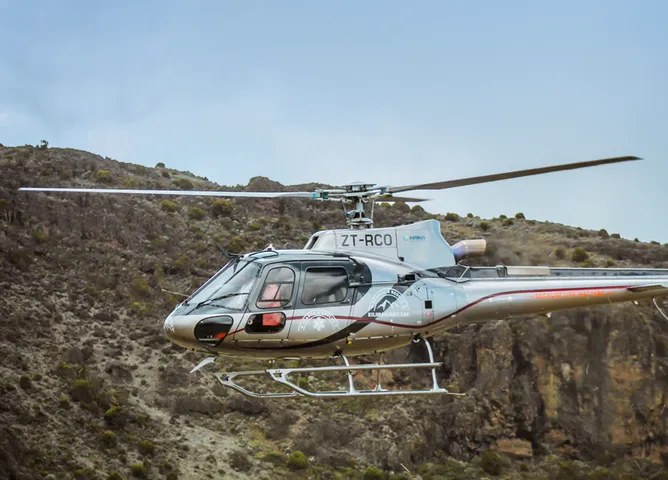
KiliFlying Air provides integrated medevac services covering the full spectrum: high-altitude rescues from Kilimanjaro camps and wilderness extractions from Serengeti, Ngorongoro, and Tarangire lodges.
This guide explores combined trip risks, unified insurance needs, operational integration, response scenarios for both environments, preparation strategies, and real-world examples of seamless coverage.
Risk Profile: Kilimanjaro vs. Safari
Distinct but overlapping threats:
- Kilimanjaro: Severe HAPE/HACE, exhaustion collapse, summit trauma
- Safari: Vehicle accidents, animal incidents, cardiac events, infections
- Common: Dehydration, heat illness, pre-existing condition flares
- Post-climb safari: Lingering altitude effects or fatigue complications
Unified medevac addresses all scenarios efficiently.
Unified Insurance Requirements
Single policy must cover:
- High-altitude helicopter evacuation (no altitude cap)
- Remote wilderness/air ambulance extraction
- Direct billing across Tanzania
- Medical repatriation if needed
- Adventure activity inclusion
One robust plan protects the entire journey.
Integrated Operational Response
Seamless coverage features:
- Single dispatch center handling mountain and bush calls
- Same high-performance helicopters for both environments
- Medical crews trained in altitude and trauma care
- Pre-positioned for fastest access to northern circuit
No handover delays between different providers.
Response Scenarios: Climb to Safari
Typical activations:
- Day 5–6: HAPE evacuation from Barafu Camp
- Post-climb Day 2: Cardiac event in Serengeti lodge
- Safari Day 4: Vehicle rollover extraction
- Combined: Post-summit fatigue leading to incident in Ngorongoro
Consistent protocols ensure reliable outcomes.
Preparation for Combined Adventures
Best practices:
- Allow recovery days between climb and safari
- Share full itinerary with operator and insurer
- Carry medications and disclose conditions
- Choose operators with direct medevac partnerships
- Monitor health transition from altitude to heat
Thoughtful planning maximizes safety across phases.
Frequently Asked Questions
Medical evacuation for Kilimanjaro and safari provides peace of mind across Tanzania’s ultimate adventures. Enjoy both experiences safely with professional unified coverage. Visit our Medical Evacuation page for full details.