Helicopter Evacuation Tanzania Adventure: Rapid Rescue
Helicopter evacuation for Tanzania adventure travel ensures rapid response when serious incidents occur during Kilimanjaro climbs, safaris, trekking, or remote expeditions. KiliFlying Air provides professional air ambulance service with in-flight critical care across the region.
Helicopter Evacuation Tanzania Adventure: Rapid Rescue
Tanzania’s adventure offerings—Kilimanjaro summits, Serengeti safaris, multi-day treks, and off-grid expeditions—expose travelers to remote environments where ground evacuation is slow or impossible. Helicopter medevac bridges this gap, delivering critical care to hospital within hours.
KiliFlying Air specializes in rapid-response air rescue for adventure travelers, with high-performance helicopters, experienced crews, and direct coordination with major operators throughout northern Tanzania.
This detailed guide examines evacuation needs across different adventure activities, common risk scenarios, operational capabilities, activation procedures, in-flight medical support, and preparation steps to ensure safe and confident travel.
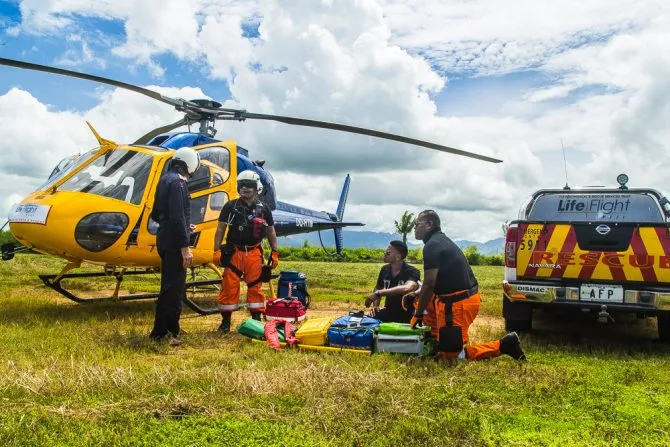
Adventure Activities Requiring Helicopter Evacuation
High-risk pursuits include:
- Kilimanjaro climbing: severe HAPE/HACE, summit-night trauma
- Safari: vehicle rollovers, animal encounters, cardiac events
- Trekking & walking safaris: falls, dehydration, heat exhaustion
- Remote expeditions: long-distance cycling, off-grid camping
- Scenic flights & balloon safaris: rare but possible in-flight emergencies
Remote locations amplify the importance of air rescue.
Common Emergency Scenarios in Tanzania Adventures
Frequent triggers:
- Altitude illness (Kilimanjaro)
- Trauma from falls or vehicle accidents
- Cardiovascular events in remote wilderness
- Severe dehydration or heatstroke
- Infectious disease complications
- Allergic reactions or anaphylaxis
Time-sensitive conditions demand rapid airlift.
Advantages of Helicopter Evacuation
Aerial response offers:
- Direct access to remote camps and high-altitude sites
- Speed—30–90 minute arrival to most locations
- In-flight stabilization and monitoring
- Transfer to specialized hospitals in Arusha or beyond
- Overcoming road and terrain limitations
These factors significantly improve outcomes.
Evacuation Activation Process
Standard protocol:
- Guide/operator identifies emergency and provides first aid
- Satellite/radio call to base with GPS and patient details
- Operator activates insurance and alerts KiliFlying Air
- Helicopter dispatched within minutes
- Landing zone prepared at camp or nearby clearing
- Patient loaded and flown to hospital
Direct partnerships minimize delays.
In-Flight Medical Capabilities
Professional care includes:
- Critical care paramedics or flight nurses
- Oxygen, IV fluids, defibrillator, trauma kits
- Advanced monitoring and pain management
- Stabilization of altitude illness or injuries
- Seamless handover to hospital teams
Patients arrive in optimal condition for treatment.
Preparation for Adventure Travel
Key steps:
- Secure comprehensive insurance covering high-altitude helicopter evacuation
- Choose reputable operators with emergency protocols
- Carry personal medications and share health history
- Pack satellite communicator for remote areas
- Follow guide safety instructions
Preparation complements professional rescue capability.
Frequently Asked Questions
Helicopter evacuation ensures your Tanzania adventure remains thrilling yet safe. Travel prepared with reliable air rescue support. Visit our Medical Evacuation page for complete service details.