Safe Evacuation Plan Kilimanjaro: Comprehensive Safety Strategy
A safe evacuation plan for Kilimanjaro transforms potential emergencies into manageable situations. By integrating prevention, preparation, insurance, communication, and professional response, climbers ensure the best possible outcomes in high-altitude crises.
Safe Evacuation Plan Kilimanjaro: Comprehensive Safety Strategy
Kilimanjaro’s allure lies in its accessibility—non-technical climbing to nearly 6,000 meters—yet this very elevation creates serious medical risks. Altitude illness remains the primary concern, with severe cases (HAPE/HACE) progressing rapidly if untreated. Injuries from falls, exhaustion, or weather events add further complexity in remote terrain.
A safe evacuation plan addresses these realities proactively. It combines risk mitigation through smart choices, thorough preparation, robust insurance, reliable communication, and access to professional helicopter medevac. KiliFlying Air supports many operators with rapid aerial response, forming a key component of modern safety strategies.
This detailed guide walks through building a comprehensive evacuation plan, from foundational prevention to execution details, insurance integration, communication protocols, and real-world application—empowering climbers to trek with confidence.
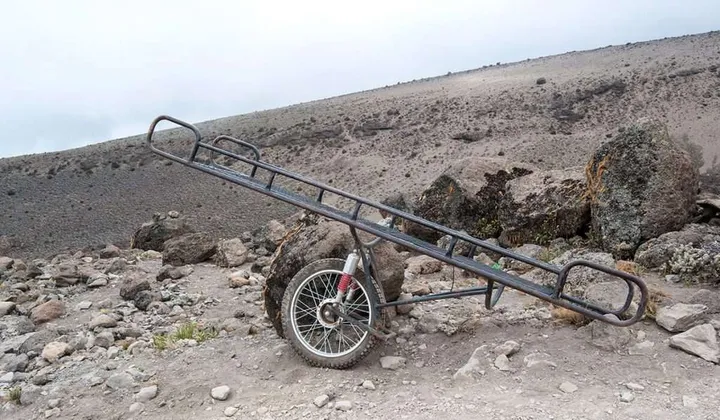
Prevention as the First Line of Safety
The safest evacuation plan emphasizes avoiding emergencies altogether:
- Route selection. Longer itineraries (7–9 days) like Lemosho or Northern Circuit allow gradual acclimatization, reducing severe altitude illness by up to 50%.
- Operator quality. Choose companies with excellent safety records, medically trained guides, emergency oxygen, and established medevac partnerships.
- Physical preparation. Build cardiovascular fitness, practice hiking with load, and understand personal altitude tolerance.
- Daily practices. Hydrate aggressively (4–5 liters), eat despite reduced appetite, follow slow pacing, and report symptoms early.
- Medication consideration. Discuss prophylactic options like acetazolamide with a physician.
These measures form the foundation—preventing most issues from escalating to evacuation level.
Core Components of Your Evacuation Plan
A robust plan includes documented elements shared with all stakeholders:
- Comprehensive insurance. High-altitude policy with $100,000–$300,000 helicopter evacuation limits and repatriation.
- Medical disclosure. Share conditions, medications, allergies, and blood type with guide and operator.
- Communication strategy. Understand guide radio/satellite system; carry personal device (Garmin inReach) if desired.
- Emergency contacts. Operator hotline, insurance assistance number, family members with itinerary.
- Plan distribution. Provide detailed route, dates, and checkpoints to someone outside the trek.
- Contingency awareness. Know symptoms triggering descent vs. helicopter evacuation.
Document and review this plan pre-departure for clarity under stress.
Insurance Integration for Seamless Evacuation
Safe plans hinge on coverage enabling rapid response:
- Policies with direct partnerships (Global Rescue, Ripcord) for instant Guarantee of Payment
- No upfront costs or reimbursement delays during crisis
- Medical advisory supporting guide decisions
- Repatriation provisions for ongoing care
KiliFlying Air’s relationships with these providers ensure authorized evacuations launch without financial hurdles.
Communication and Activation Protocols
Effective plans define clear activation:
- Guide assesses and treats initially (oxygen, medication)
- Radio/satellite alert to base with GPS and status
- Operator coordinates with insurer and medevac provider
- Helicopter dispatched upon authorization
- Family notification protocol activated externally if needed
Understanding this flow reduces confusion during high-stress situations.
Post-Evacuation Considerations
Safe plans extend beyond mountain rescue:
- Hospital selection based on condition severity
- Repatriation coordination for specialist care
- Insurance claim guidance and documentation
- Family support and communication continuity
Comprehensive planning covers the full emergency lifecycle.
Frequently Asked Questions
A safe evacuation plan for Kilimanjaro provides confidence to fully enjoy the journey. Prepare thoroughly and climb protected. Explore our Medical Evacuation services for professional support details.