Kilimanjaro Trek Helicopter Safety: Highest Standards Assured
Kilimanjaro trek helicopter safety combines specialized aircraft, expert crews, and rigorous protocols to ensure secure medevac in extreme high-altitude conditions. Professional operations protect trekkers without introducing unnecessary risk.
Kilimanjaro Trek Helicopter Safety: Highest Standards Assured
Helicopter medevac during Kilimanjaro treks operates in challenging high-altitude terrain with reduced performance, unpredictable weather, and limited landing zones. Safety demands comprehensive engineering, training, and conservative practices tailored to the environment.
KiliFlying Air maintains the highest helicopter safety standards through dedicated investment in equipment, expertise, and procedures specifically for Kilimanjaro trek rescues.
This detailed examination covers multi-layered safety measures: aircraft design, pilot qualifications, crew preparation, operational discipline, weather management, risk controls, and proven track record.
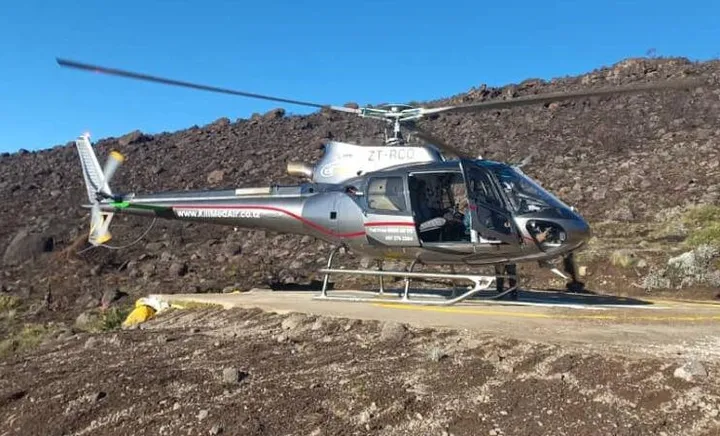
Aircraft Optimized for Safety
Key features:
- Turbine engines with altitude power reserves
- Dual redundant systems
- Advanced avionics and collision avoidance
- Crew/patient oxygen supplies
- Exceeding regulatory maintenance
Equipment built for the mountain ensures reliability.
Elite Pilot Qualifications
Expertise foundation:
- Extensive mountain flying hours
- Kilimanjaro route familiarity
- Regular simulator training
- Crew resource management
- Stricter personal minimums
Conservative judgment prevents incidents.
Medical Crew Safety Training
Comprehensive preparation:
- Critical care certifications
- Altitude physiology knowledge
- Aeromedical specialization
- Joint pilot scenarios
Trained teams protect all involved.
Conservative Operational Protocols
Structured safeguards:
- Detailed risk assessments
- Go/no-go checklists
- Contingency planning
- Flight following
Standardization ensures consistency.
Weather and Risk Management
Proactive approach:
- Multiple meteorological sources
- High visibility/wind minimums
- Pilot delay authority
- Ground stabilization option
Weather never compromises safety.
Proven Safety Record
Demonstrated results:
- Hundreds of trek medevac missions
- Zero safety incidents
- Industry recognition
Track record validates commitment.
Frequently Asked Questions
Kilimanjaro trek helicopter safety protects lives through meticulous preparation and execution. Trust operators with demonstrated standards. Visit our Medical Evacuation page for service overview.