Helicopter Safety Kilimanjaro Climb: Highest Standards Assured
Helicopter safety for Kilimanjaro climb medevac is paramount, combining specialized aircraft, expert crews, and conservative protocols to ensure secure operations in extreme conditions. Professional services protect climbers without introducing undue risk.
Helicopter Safety Kilimanjaro Climb: Highest Standards Assured
Helicopter evacuation on Kilimanjaro operates in one of aviation’s most demanding environments. Safety requires far more than basic compliance—it demands purpose-built solutions addressing reduced performance, hypoxia, weather volatility, and confined landing zones.
KiliFlying Air upholds the highest helicopter safety standards through substantial investment in equipment, training, and conservative operations specifically for Kilimanjaro medevac.
This comprehensive guide details the layered safety approach: aircraft engineering, pilot and crew expertise, operational discipline, weather judgment, risk mitigation, and demonstrated reliability.
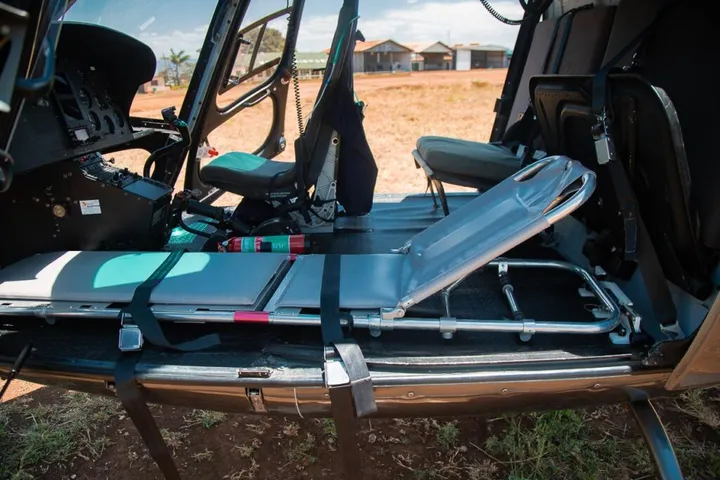
Specialized Aircraft for Safety
Engineered advantages:
- Turbine power with substantial high-altitude margins
- Redundant critical systems
- Advanced avionics and terrain awareness
- Crew and patient oxygen integration
- Rigorous maintenance protocols
Equipment designed for the environment ensures reliability.
Pilot Expertise and Decision-Making
Professional judgment:
- Thousands of hours in mountain/high-altitude flying
- Kilimanjaro-specific route and zone mastery
- Regular emergency and simulator training
- Uncompromising personal weather minimums
Experience enables safe operations where others cannot.
Medical Crew Safety Focus
Dual protection:
- Critical care qualifications
- Altitude physiology training
- Aeromedical procedures mastery
- Joint crew resource management
Trained teams safeguard patient and flight safety.
Conservative Operational Protocols
Disciplined approach:
- Mission-specific risk assessments
- Structured go/no-go checklists
- Multiple contingency plans
- Real-time flight monitoring
Standardization prevents errors under pressure.
Weather and Risk Management
Proactive safeguards:
- Dedicated meteorological resources
- Conservative visibility/wind criteria
- Pilot authority to delay without question
- Ground stabilization until safe
Weather never overrides safety.
Proven Safety Performance
Demonstrated results:
- Hundreds of missions completed
- Zero operational incidents
- Trusted by operators and insurers
Track record confirms commitment.
Frequently Asked Questions
Helicopter safety for Kilimanjaro climb medevac protects lives through expertise and discipline. Choose operators with proven standards. Visit our Medical Evacuation page for service information.