Kilimanjaro High Altitude Helicopter: Specialized Operations
Kilimanjaro high altitude helicopter operations require exceptional aircraft performance and pilot skill to safely conduct medevac above 4,500 meters. Professional execution in thin air ensures rapid, reliable rescue for critical emergencies.
Kilimanjaro High Altitude Helicopter: Specialized Operations
Operating helicopters at Kilimanjaro’s extreme elevations presents profound technical challenges: air density decreases dramatically, reducing lift and engine power while increasing physiological stress on crews and patients.
KiliFlying Air masters these conditions through purpose-selected aircraft, advanced pilot training, and meticulous operational planning—enabling consistent safe performance where standard helicopters cannot operate.
This in-depth guide explores the physics of high-altitude flight, aircraft requirements, pilot techniques, crew considerations, safety protocols, and real-world application on Kilimanjaro rescues.
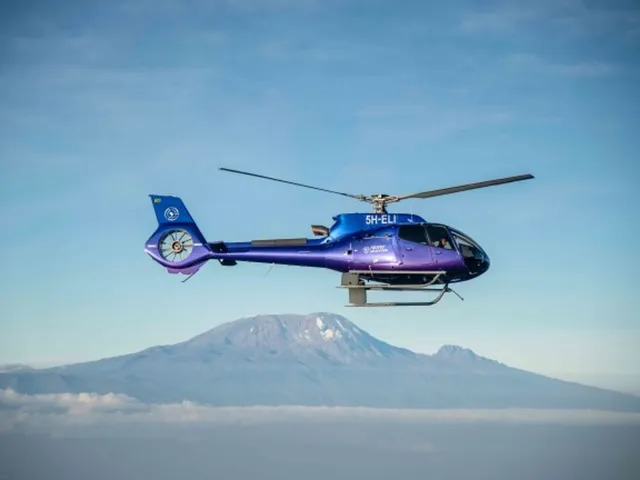
Physics of High-Altitude Helicopter Flight
Key challenges:
- Reduced air density lowers rotor efficiency and engine output
- Higher true airspeed required for same lift
- Decreased power margins for hover and climb
- Increased risk of vortex ring state
- Hypoxia effects on human performance
Specialized solutions are mandatory.
Aircraft Requirements for Kilimanjaro
Essential capabilities:
- Powerful turbine engines with high power-to-weight ratio
- Large rotor systems for better lift in thin air
- Excess performance margins at 5,000m+
- Supplemental oxygen systems
- Advanced stability augmentation
KiliFlying Air fleet meets these demanding criteria.
Pilot Techniques for Extreme Elevations
Specialized skills:
- Precise power management and weight calculations
- Hover-toe-in or running landings on slopes
- Vertical takeoff/climb planning
- Conservative approach and departure paths
- Wind and density altitude assessment
Experience separates capable from marginal operations.
Crew and Patient Considerations
Human factors management:
- Oxygen use from takeoff for crew vigilance
- Minimized time at highest elevations
- Rapid loading procedures
- Patient packaging for quick extraction
Efficiency protects everyone involved.
Operational Limits and Safety Margins
Conservative boundaries:
- Maximum operating altitude below absolute limits
- Weight restrictions for performance reserve
- Weather minimums tailored to density altitude
- Alternate plans for every mission
Safety margins never compromised for urgency.
Frequently Asked Questions
Kilimanjaro high altitude helicopter operations demand specialized capability delivered safely and reliably. Trust proven experts for critical missions. Visit our Medical Evacuation page for full capabilities.