Kilimanjaro Safe Summit Medevac: Secure Peak Emergency Response
Kilimanjaro safe summit medevac ensures secure helicopter evacuation for emergencies near the peak, where altitude risks are greatest. Professional rapid response with strict safety protocols protects climbers during the critical final ascent.
Kilimanjaro Safe Summit Medevac: Secure Peak Emergency Response
The summit push on Kilimanjaro—from high camps to Uhuru Peak—represents the highest-risk phase due to extreme altitude, cold, fatigue, and rapid physiological changes. Safe summit medevac requires specialized helicopter operations capable of secure extraction in this demanding environment.
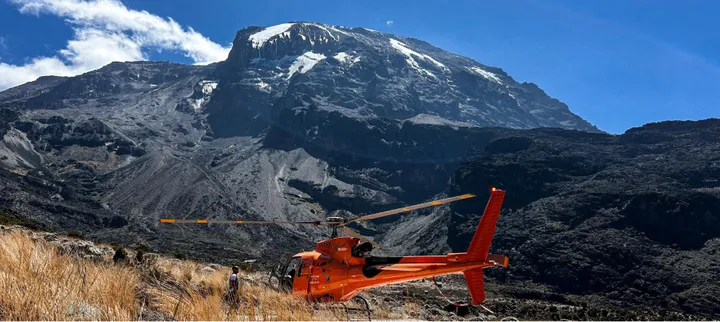
KiliFlying Air provides safe summit medevac with high-performance aircraft, expert crews, and conservative safety protocols tailored for peak-area rescues.
This thorough guide covers summit-specific risks, emergency recognition, helicopter access limitations and capabilities, safety measures, response procedures, in-flight care, prevention strategies, and preparation for secure ascent.
Summit Push Emergency Risks
Peak-area threats:
- Severe HAPE/HACE onset
- Summit-night physiological collapse
- Trauma on steep final sections
- Hypothermia in extreme cold
- Delayed recognition due to impairment
Risks peak during midnight-to-dawn ascent.
Safe Helicopter Access Points
Viable summit-area sites:
- Barafu Camp (4,670m)
- Kibo Hut (4,700m)
- Crater Camp (5,730m) when used
- Other high camps with suitable zones
Actual summit exceeds safe operating limits.
Safety Protocols for Summit Medevac
Conservative measures:
- High-performance aircraft margins
- Elite pilot mountain expertise
- Strict weather minimums
- Redundant systems and oxygen
- Mission-specific risk assessment
Safety never compromised for urgency.
Summit Medevac Response Process
Coordinated execution:
- Guide stabilizes and alerts
- GPS location transmitted
- Rapid helicopter dispatch
- Safe landing zone preparation
- Patient transfer and care
30–60 minute arrival typical.
In-Flight Summit Emergency Care
Critical interventions:
- High-flow oxygen therapy
- Edema medications
- Advanced monitoring
- Hypothermia management
Rapid improvement during descent.
Prevention for Safer Summit
Reduce medevac need:
- Extended acclimatization itineraries
- Conservative pacing
- Early turn-around decisions
- Guide health enforcement
Prevention complements rescue capability.
Frequently Asked Questions
Kilimanjaro safe summit medevac protects during the most vulnerable phase. Ascend with professional security. Visit our Medical Evacuation page for operational insights.