Kilimanjaro High Altitude Emergency: Critical Response Guide
Kilimanjaro high altitude emergency primarily involves life-threatening HAPE and HACE requiring immediate descent. Professional helicopter medevac with in-flight care provides the only timely solution in extreme elevations.
Kilimanjaro High Altitude Emergency: Critical Response Guide
Above 4,000 meters on Kilimanjaro, the risk of severe high altitude illness escalates dramatically. Conditions like High Altitude Pulmonary Edema (HAPE) and High Altitude Cerebral Edema (HACE) can progress from mild symptoms to life-threatening within hours.
Ground-based descent is often too slow or impossible for critical patients, making professional helicopter medevac the definitive intervention.
KiliFlying Air specializes in high altitude emergency response, with aircraft, crews, and protocols optimized for rapid extraction and stabilization from Kilimanjaro’s upper reaches.
This comprehensive guide examines altitude physiology risks, emergency recognition, prevention strategies, ground management limitations, helicopter response advantages, in-flight treatment, activation protocols, and preparation measures.
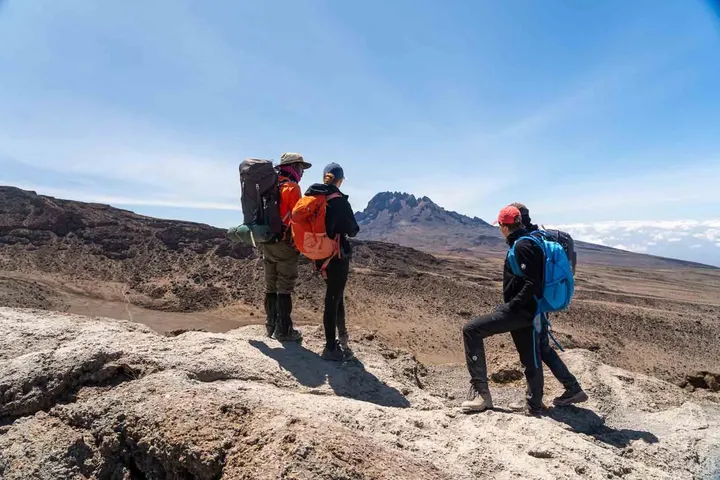
Understanding High Altitude Emergencies
Critical conditions:
- HAPE: Fluid in lungs causing severe hypoxia
- HACE: Brain swelling with neurological impairment
- Combined HAPE/HACE: Highest mortality risk
- Rapid progression during summit push
- Associated trauma or exhaustion collapse
Descent is the only definitive treatment.
Recognition of Emergency Signs
Red-flag symptoms:
- Shortness of breath at rest
- Pink/frothy sputum
- Ataxia (inability to walk straight)
- Confusion, hallucinations, severe headache
- No improvement with oxygen/rest/medication
- Decreased consciousness
Objective assessment triggers immediate action.
Risk Factors and Prevention
Contributing elements:
- Rapid ascent profiles
- Individual susceptibility
- Previous altitude illness
- Dehydration and overexertion
Prevention strategies:
- Longer 8–9 day routes
- Slow pacing and rest
- Daily monitoring
- Prophylactic medications when indicated
- Early symptom reporting
Limitations of Ground Response
On-mountain constraints:
- Slow descent (hours to days)
- Limited oxygen duration
- Temporary relief from hyperbaric bags
- Patient deterioration during carry
Helicopter becomes essential for survival.
Helicopter Emergency Advantages
Aerial superiority:
- 30–60 minute arrival
- Direct high-camp extraction
- Rapid therapeutic descent
- Continuous critical care
- Hospital delivery
Outcomes dramatically improve.
In-Flight Emergency Management
Specialized interventions:
- High-flow oxygen/positive pressure
- Edema medications
- Advanced monitoring
- Controlled descent profile
- Neurological/trauma stabilization
Marked improvement often en route.
Frequently Asked Questions
Kilimanjaro high altitude emergency demands swift professional intervention. Climb prepared with reliable medevac support. Visit our Medical Evacuation page for details.