Kilimanjaro Trek Medical Rescue: Urgent Professional Response
Kilimanjaro trek medical rescue ensures rapid helicopter evacuation and advanced care when emergencies arise during climbs. Professional response dramatically improves outcomes for altitude illness, injuries, and other critical situations.
Kilimanjaro Trek Medical Rescue: Urgent Professional Response
Trekking Kilimanjaro exposes participants to unique medical risks, primarily from rapid altitude gain and physical demands. When conditions escalate beyond ground management, professional medical rescue via helicopter becomes essential for survival and recovery.
KiliFlying Air specializes in trek medical rescue, with optimized aircraft, trained crews, and direct coordination for urgent evacuations from any route or elevation.
This comprehensive guide details common trek emergencies, rescue triggers, activation processes, helicopter capabilities, in-flight treatment, post-rescue care, and preparation strategies.
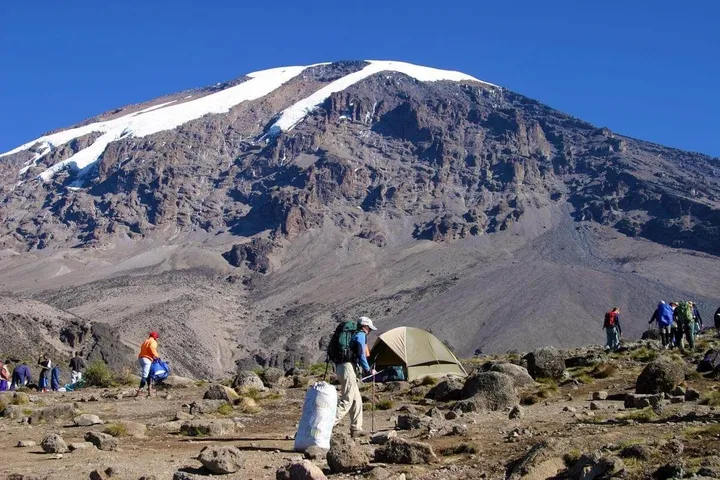
Common Medical Emergencies on Trek
Frequent serious issues:
- Severe altitude sickness (HAPE/HACE)
- Trauma from falls or rockslides
- Cardiac events or exhaustion collapse
- Hypothermia or frostbite
- Dehydration complications
Many require urgent air rescue.
Triggers for Medical Rescue Activation
Critical indicators:
- Unresponsive severe symptoms
- Inability to walk or self-descend
- Rapid deterioration despite treatment
- Immobilizing injuries
Early decision-making saves lives.
Medical Rescue Procedure
Standard activation:
- Guide provides oxygen/medication and assesses
- Alerts operator with GPS and status
- Insurance coordination parallel to dispatch
- Helicopter launched rapidly
- On-site extraction and care
- Hospital delivery
Efficient protocols minimize delays.
Helicopter and In-Flight Capabilities
Professional resources:
- High-altitude performance aircraft
- Trained medical crews
- Oxygen, medications, monitoring equipment
- Stabilization for altitude/trauma cases
Patients receive continuous critical care.
Post-Rescue Care and Outcomes
Completion steps:
- Direct transfer to advanced hospitals
- Hyperbaric or specialist treatment if needed
- Full recoveries common with timely rescue
Rapid intervention transforms prognosis.
Frequently Asked Questions
Kilimanjaro trek medical rescue provides critical professional support when emergencies occur. Trek prepared with reliable backup. Visit our Medical Evacuation page for more information.