Best Evacuation Plan Kilimanjaro: Comprehensive Strategy
The best evacuation plan for Kilimanjaro is multi-layered: prioritizing prevention while ensuring rapid, professional helicopter medevac when needed. This integrated approach minimizes risks and maximizes safety outcomes.
Best Evacuation Plan Kilimanjaro: Comprehensive Strategy
No single measure guarantees safety on Kilimanjaro—the best evacuation plan combines robust prevention, vigilant monitoring, solid insurance, and immediate access to professional air rescue. This holistic strategy addresses risks at every stage rather than relying solely on emergency response.
KiliFlying Air forms a critical component by providing the fastest, most reliable helicopter medevac, seamlessly integrated with leading operators and insurers.
This expert guide outlines the complete best-practice evacuation plan: foundational prevention, operational elements, insurance requirements, emergency protocols, and real-world effectiveness.
Foundation: Prevention First
Reduce evacuation likelihood:
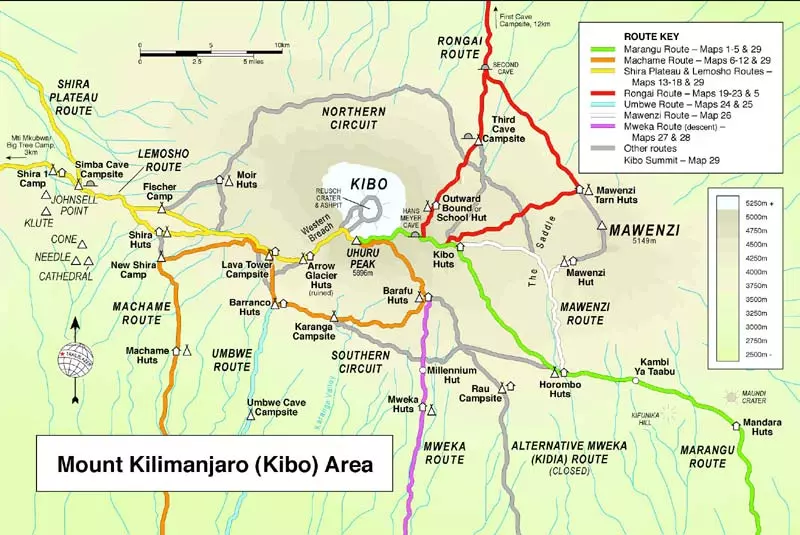
- Choose 8–9 day routes (Lemosho, Northern Circuit) for superior acclimatization
- Enforce “pole pole” pacing and climb-high/sleep-low profile
- Pre-climb fitness and altitude awareness training
- Prophylactic medications when medically appropriate
- Adequate rest days and hydration discipline
Prevention eliminates most potential evacuations.
Monitoring and Early Intervention
Detect issues promptly:
- Daily pulse oximetry and Lake Louise scoring
- Trained guides recognizing subtle symptoms
- Immediate rest, oxygen, or medication for moderate AMS
- Early ground descent decisions
- Portable hyperbaric chambers as bridge therapy
Early action resolves many cases without airlift.
Essential Insurance Component
Financial and logistical backbone:
- Unlimited helicopter evacuation coverage
- No altitude exclusions
- Direct billing or membership model
- Medical and repatriation expenses
- Trip cancellation protection
Proper insurance enables immediate response without barriers.
Rapid Helicopter Medevac Integration
Ultimate safety layer:
- Direct operator partnerships for instant activation
- 30–60 minute response to high camps
- Specialized high-altitude aircraft and crews
- In-flight critical care during descent
- Direct hospital transfer
KiliFlying Air delivers this reliably when needed.
Operator and Guide Standards
Human element excellence:
- High guide-to-client ratios
- Wilderness first responder certification
- Emergency equipment carriage (oxygen, stretchers)
- Satellite communication capability
- Proven medevac coordination history
Quality operators tie all elements together.
Real-World Effectiveness
Proven outcomes:
- Near-zero fatalities on well-planned programs
- Full recoveries from severe cases with rapid airlift
- Consistent success across seasons and routes
The layered plan works in practice.
Frequently Asked Questions
The best evacuation plan for Kilimanjaro protects through prevention and preparation while ensuring rapid professional response when required. Implement all layers for confident climbing. Visit our Medical Evacuation page for details.