Kilimanjaro Helicopter Safety: Highest Standards Assured
Kilimanjaro helicopter safety combines rigorous standards, expert crews, and advanced aircraft to deliver reliable operations for medevac, scenic flights, and charters. Professional providers prioritize passenger protection above all in this challenging high-altitude environment.
Kilimanjaro Helicopter Safety: Highest Standards Assured
Operating helicopters around Kilimanjaro demands exceptional safety consciousness due to extreme altitude, variable weather, and remote terrain. Professional providers treat safety as non-negotiable, implementing international standards, continuous training, and conservative decision-making to protect passengers, climbers, and crews.
KiliFlying Air upholds the highest safety protocols across all operations—medevac, scenic flights, and charters—with an impeccable record built on deliberate investments in people, aircraft, and processes. Safety permeates every aspect of our work, from pre-flight planning to post-mission review.
This comprehensive guide examines helicopter safety considerations on Kilimanjaro, key risk factors, mitigation strategies, crew and maintenance standards, weather protocols, emergency preparedness, regulatory compliance, and why professional operators deliver the safest possible experience.
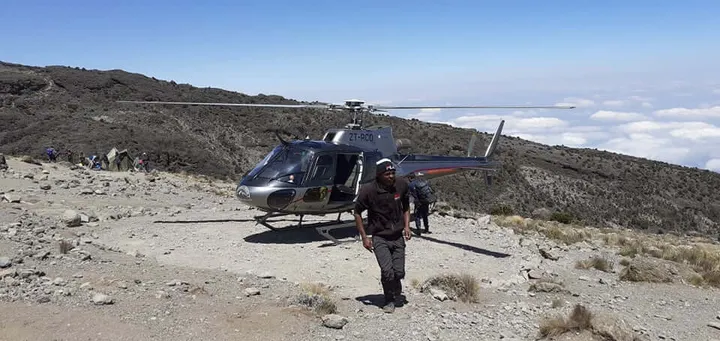
Unique Safety Challenges on Kilimanjaro
The mountain environment presents specific hazards:
- Extreme altitude. Reduced air density impacts engine and rotor performance above 5,000 meters.
- Rapid weather changes. Cloud formation, high winds, and whiteouts developing suddenly.
- Limited landing zones. Few flat areas requiring precision operations.
- Remote location. Distance from support facilities in emergencies.
- High-stakes missions. Medevac often involving critically ill patients.
Professional safety systems directly address these challenges.
Core Safety Pillars
Comprehensive protection rests on multiple layers:
- Crew excellence. Pilots with thousands of mountain hours, regular simulator training, and altitude-specific certification.
- Aircraft standards. Modern fleet maintained beyond manufacturer requirements with frequent inspections.
- Operational protocols. Conservative weather minima, dual-pilot medevac, and structured decision-making.
- Risk management. Continuous assessment and safety management systems (SMS).
- Regulatory compliance. Adherence to TCAA and international best practices.
KiliFlying Air implements these pillars rigorously.
Crew Training and Expertise
Human factors drive safety outcomes:
- Specialized mountain flying courses
- Regular high-altitude proficiency checks
- Crew resource management (CRM) training
- Emergency scenario simulations
- Medical team integration for medevac
Experienced crews make conservative, professional decisions.
Aircraft Maintenance and Reliability
Technical excellence ensures dependability:
- Scheduled maintenance exceeding requirements
- Component tracking and preemptive replacement
- Dual-engine redundancy where applicable
- Modern avionics and safety systems
- Regular third-party audits
This approach delivers exceptional reliability.
Weather Decision-Making Protocols
Conservative approach to conditions:
- Multiple weather sources and forecasting
- Strict visibility and wind limits
- No-fly decisions prioritized over schedule
- Real-time monitoring during operations
Safety always supersedes operational pressure.
Emergency Preparedness and Response
Layered systems for unlikely events:
- Comprehensive emergency procedures
- Regular drills and simulations
- ELT and satellite tracking
- Coordination with ground rescue teams
Preparedness ensures effective response if needed.
Frequently Asked Questions
Kilimanjaro helicopter safety reflects professional commitment to the highest standards. Fly with confidence knowing protection is paramount. Contact us or explore our Medical Evacuation and Scenic Flights services.