Kilimanjaro Climb Safety Evacuation: Essential Guide
Safety on a Kilimanjaro climb goes beyond physical preparation—understanding risks, following best practices, and having reliable evacuation plans in place are crucial for a successful and secure ascent.
Kilimanjaro Climb Safety Evacuation: Essential Guide
Climbing Kilimanjaro is a rewarding challenge that attracts adventurers of all experience levels. While the mountain is considered non-technical, its extreme altitude and variable weather create real risks. A strong focus on safety—from route selection and preparation to emergency evacuation planning—significantly reduces those risks.
Professional evacuation services play a vital role when issues arise. KiliFlying Air partners with leading operators to provide rapid helicopter response, ensuring climbers receive timely care when needed. This guide combines practical safety advice with clear evacuation protocols for peace-of-mind planning.
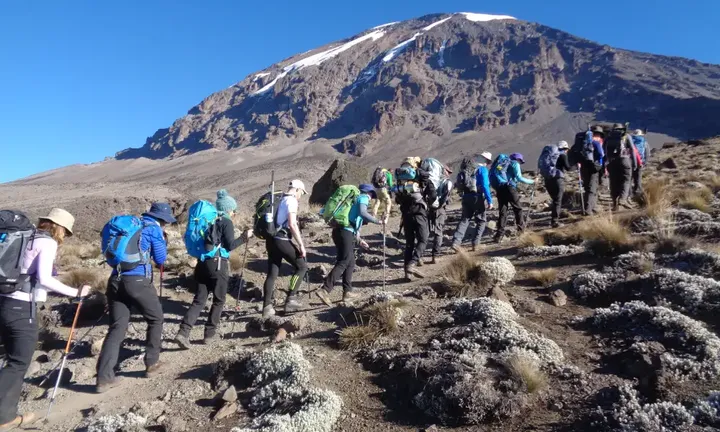
Core Principles of Kilimanjaro Climb Safety
Safety begins long before the trailhead. Thoughtful preparation and informed decisions set the foundation for a secure climb.
- Choose the right route and duration. Longer routes like Lemosho or Northern Circuit (7–9 days) allow better acclimatization, dramatically lowering altitude illness risk compared to shorter options.
- Select an experienced operator. Reputable companies employ trained guides, carry emergency oxygen, and maintain established evacuation partnerships.
- Undergo honest physical preparation. Cardiovascular fitness, strength training, and practice hikes with a loaded pack improve resilience and reduce injury likelihood.
- Pack appropriate gear. Quality layers, waterproof clothing, sturdy boots, trekking poles, and sun protection are non-negotiable for weather variability.
On-Trail Safety Practices
Once climbing, disciplined habits keep risks manageable:
- Pace yourself (“pole pole”). Slow, steady climbing conserves energy and aids acclimatization—rushing increases altitude illness chances.
- Stay hydrated and nourished. Drink 3–5 liters daily and eat regularly, even without appetite, to maintain strength.
- Communicate openly. Report headaches, nausea, or fatigue immediately—guides are trained to assess and act early.
- Follow guide instructions. They know the mountain’s quirks and weather patterns intimately.
Evacuation Planning and Procedures
Even with perfect preparation, emergencies can occur. A clear evacuation plan is your safety net.
Most operators carry portable oxygen and hyperbaric bags for initial treatment. If symptoms worsen, guides initiate descent—often the first response. When descent is too slow or impossible, helicopter evacuation becomes necessary.
KiliFlying Air’s rapid-response helicopters can reach high camps quickly, providing in-flight medical care and direct hospital transfer. Pre-arranged partnerships with operators and insurers ensure seamless coordination.
Essential Insurance for Evacuation Coverage
Reputable operators require comprehensive insurance that explicitly covers high-altitude trekking and helicopter evacuation. Standard policies often exclude these, leaving climbers vulnerable to massive costs.
Look for policies with at least $100,000–$200,000 in evacuation/repatriation limits and no altitude restrictions above 6,000 meters.
Frequently Asked Questions
Prioritize safety and evacuation planning for your Kilimanjaro climb. With the right preparation and professional support, you can focus on the incredible journey ahead. Contact us or visit our Medical Evacuation page for more guidance.