Medical Repatriation Kilimanjaro: Safe Return Home
Medical repatriation from Kilimanjaro ensures seriously injured or ill climbers receive continued care in their home country. Professional coordination combines local evacuation with international air ambulance transfer for safe, comfortable journeys home.
Medical Repatriation Kilimanjaro: Safe Return Home
While most Kilimanjaro climbers complete their trek healthy, serious medical events occasionally require more than local treatment. Medical repatriation organizes safe transport back home for ongoing care, rehabilitation, or specialist treatment unavailable in Tanzania.
The process begins with initial stabilization and local evacuation—services KiliFlying Air excels in—followed by international air ambulance transfer. Coordination between insurers, medical teams, and aviation providers ensures seamless, medically supervised journeys.
This guide covers when repatriation is needed, the step-by-step process, insurance requirements, and how professional services like ours facilitate smooth returns home.
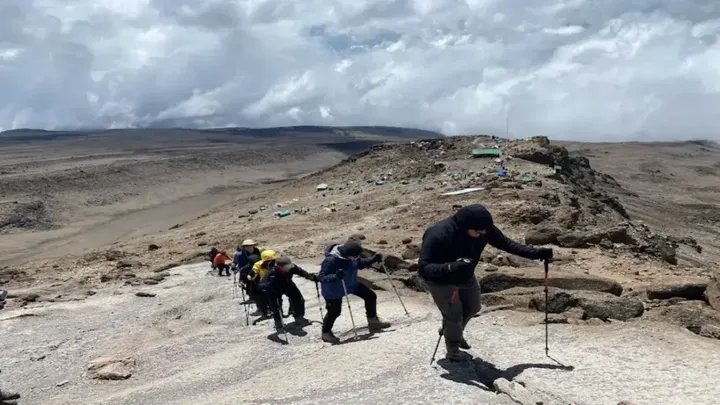
When Medical Repatriation Is Required
Repatriation becomes necessary in cases exceeding local capabilities:
- Serious trauma. Complex fractures, head injuries, or spinal damage needing specialized surgery.
- Severe altitude complications. Persistent HAPE/HACE effects requiring extended monitoring or rehabilitation.
- Cardiac or neurological events. Heart attack, stroke, or conditions benefiting from home-country specialists.
- Long-term care needs. Conditions where family support and familiar healthcare systems aid recovery.
The Repatriation Process Step by Step
Professional repatriation follows a coordinated sequence:
- Initial stabilization in Tanzanian hospital (often Arusha or Nairobi)
- Medical clearance for air travel confirmed
- Insurance/provider authorizes international transfer
- Air ambulance arranged with medical crew
- Direct flight home with continuous care en route
- Ground ambulance handover at destination airport
Our Role in Repatriation
KiliFlying Air frequently handles the critical first leg—evacuating patients from the mountain to advanced regional facilities. We then coordinate with international air ambulance providers for onward journeys, ensuring continuity of care.
Our partnerships with leading insurers and repatriation specialists streamline the entire process.
Insurance Requirements for Repatriation
Safe repatriation depends on comprehensive coverage including:
- Medical repatriation to home country
- Air ambulance transport (both local and international)
- Medical escort and equipment during flight
- Direct coordination with providers
Membership services like Global Rescue and Ripcord excel in repatriation logistics.
Frequently Asked Questions
Medical repatriation from Kilimanjaro ensures safe continuation of care at home. Prepare with proper coverage and trusted partners. Visit our Medical Evacuation page for full details.