Helicopter Rescue on Kilimanjaro: Fast & Reliable Emergency Response
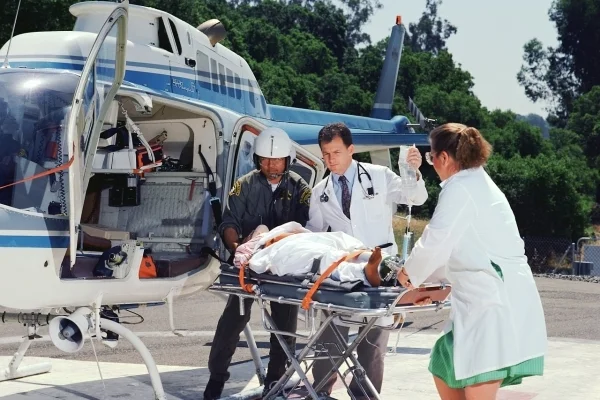
When a climber on Mount Kilimanjaro suddenly develops severe altitude sickness, suffers a serious injury, or faces a medical emergency, every minute counts. Helicopter rescue is the fastest and most effective way to evacuate a patient from the mountain’s extreme altitudes and rugged terrain.
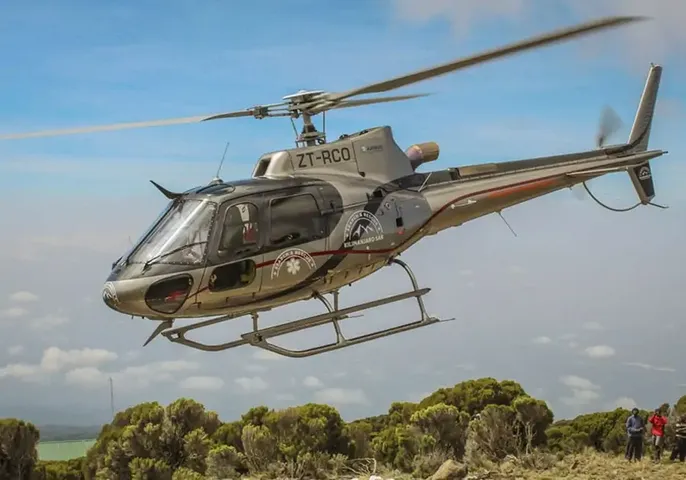
KiliFlying Air operates Tanzania’s premier high-altitude helicopter rescue service, with 24/7 availability, TCAA-certified pilots, and specialized aircraft capable of reaching the summit crater. We have safely completed hundreds of rescues, saving lives when seconds matter.
Why Helicopter Rescue is Essential on Kilimanjaro
At elevations above 4,000 meters, walking down can take 6–12 hours or more. Severe altitude sickness (HAPE/HACE), heart attack, stroke, or trauma can deteriorate in minutes. Helicopter rescue reduces descent time to under 60 minutes, often making the difference between life and death.
How Helicopter Rescue Works on Kilimanjaro
The process is designed for speed and safety:
- Emergency alert from guide or SOS beacon
- 24/7 coordination with Kilimanjaro National Park & insurance
- Instant Guarantee of Payment (GOP) from insurer
- Helicopter dispatched within minutes
- Hover rescue or landing at Barafu, Kibo Hut, or crater
- Direct flight to hospital in Moshi or Arusha
Our High-Altitude Rescue Fleet
We use the Airbus H125 and Bell 407 — both certified for high-altitude operations up to 6,000 meters. These helicopters are equipped with:
- Rescue hoist for patient extraction
- Medical oxygen systems
- Stretcher and in-flight medical attendant
- Night-vision goggles for 24/7 operations
Typical Rescue Scenarios
We regularly perform rescues for:
- High Altitude Pulmonary Edema (HAPE)
- High Altitude Cerebral Edema (HACE)
- Broken bones from falls
- Severe dehydration & exhaustion
- Cardiac emergencies
Insurance & Costs
A helicopter rescue on Kilimanjaro typically costs $15,000–$50,000. Without insurance, climbers pay out of pocket. We partner directly with Allianz, Global Rescue, World Nomads, and others for instant pre-authorization and direct billing.
How to Prepare for a Safe Climb
- Choose a 7–9 day route for acclimatization
- Buy travel insurance with high-altitude rescue coverage
- Climb with operators that partner with KiliFlying Air
- Carry a satellite phone or Garmin inReach
Frequently Asked Questions
When seconds count, trust KiliFlying Air for the fastest helicopter rescue on Kilimanjaro. Contact us or visit Medical Evacuation for more information.
Request Helicopter Rescue