Kilimanjaro Emergency Evacuation: Your Lifeline on the Mountain
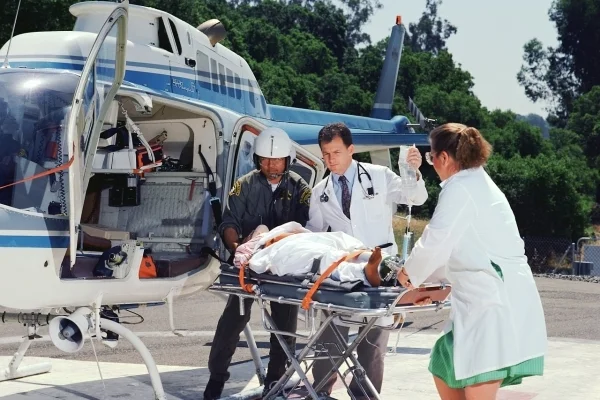
Climbing Mount Kilimanjaro is an incredible adventure, but the high altitude and remote location mean that medical emergencies can escalate quickly. When a climber’s condition becomes critical, emergency evacuation—usually by helicopter—is the only viable option for rapid descent and survival.
KiliFlying Air is the leading provider of emergency evacuation services on Kilimanjaro. Operating 24/7 with high-altitude helicopters and experienced pilots, we coordinate seamlessly with guides, park authorities, and insurers to deliver life-saving rescues in the shortest possible time.
When Is Emergency Evacuation Needed on Kilimanjaro?
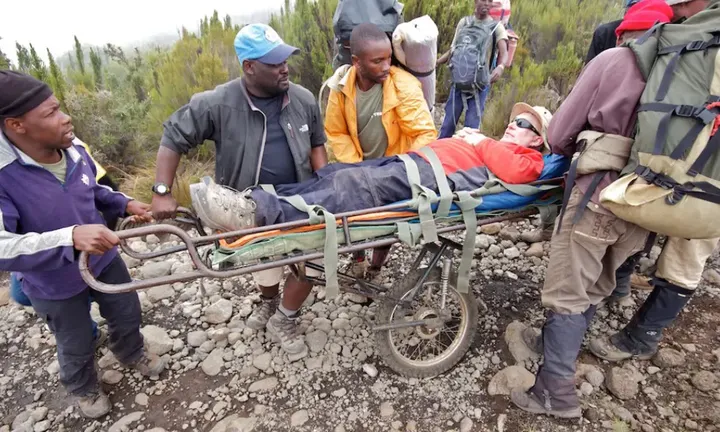
Emergency evacuation is required when a climber develops life-threatening conditions that demand immediate descent. The most common triggers include:
- High Altitude Pulmonary Edema (HAPE) – fluid in the lungs
- High Altitude Cerebral Edema (HACE) – swelling of the brain
- Severe trauma or fractures from falls
- Heart attack or stroke
- Extreme dehydration or hypothermia
The Emergency Evacuation Process
Time is critical. Our streamlined process ensures rapid response:
- Guide identifies critical symptoms and alerts rescue coordination
- Emergency call to KiliFlying Air’s 24/7 operations center
- Insurance pre-authorization (Guarantee of Payment) obtained instantly
- Helicopter launched and reaches patient in 30–60 minutes
- Patient extracted via landing or hoist and flown directly to hospital
Why Air Evacuation Is Essential
Walking descent from high camps can take 8–12 hours or longer—far too slow for critical cases. Helicopter evacuation drops thousands of feet in minutes, dramatically increasing chances of full recovery.
Insurance Requirements & Costs
Most professional climbing operators require proof of emergency evacuation coverage. Without insurance, costs can exceed $50,000. KiliFlying Air partners with major providers (Allianz, Global Rescue, World Nomads) for direct billing and instant approvals.
How to Minimize Risk
- Choose a longer route (7–9 days) for proper acclimatization
- Monitor symptoms closely and descend early if needed
- Purchase comprehensive travel insurance with high-altitude coverage
- Climb with operators partnered with reliable air rescue services
Frequently Asked Questions
Your safety is our priority. Learn more about our services on the Medical Evacuation page or contact us for advice on preparing for your Kilimanjaro climb.
Request Emergency Assistance