Tanzania Adventure Helicopter Rescue: Comprehensive Wilderness Response
Tanzania adventure helicopter rescue delivers professional air medevac across diverse wilderness activities—from Kilimanjaro high-altitude climbs to remote Serengeti safaris and multi-day treks. Rapid, specialized response bridges isolation to advanced medical care.
Tanzania Adventure Helicopter Rescue: Comprehensive Wilderness Response
Tanzania offers unparalleled adventure diversity: the world’s highest free-standing mountain, vast wildlife-filled plains, challenging trekking routes, and off-grid expeditions. These environments share one critical factor—remote locations where ground evacuation is slow, difficult, or impossible.
Helicopter rescue provides the essential rapid-response capability, overcoming terrain, distance, and time constraints to deliver patients to hospital within hours.
KiliFlying Air operates as Tanzania’s premier adventure helicopter rescue provider, with high-performance aircraft, experienced crews, and direct coordination covering the full spectrum of wilderness activities in northern Tanzania.
This extensive guide examines adventure-specific risks, common emergency scenarios, helicopter operational advantages, response protocols, in-flight medical capabilities, preparation strategies, insurance integration, and real-world application across Tanzania’s iconic experiences.
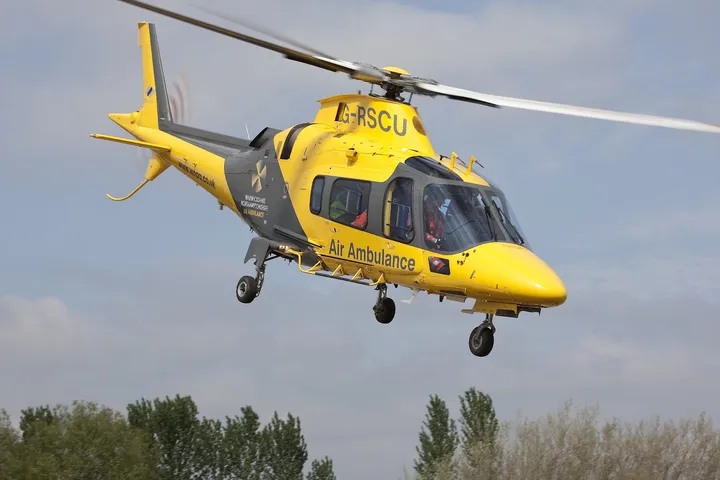
Major Tanzania Adventure Activities
High-risk pursuits include:
- Mount Kilimanjaro climbing (all routes)
- Serengeti and Ngorongoro safari game drives
- Multi-day trekking and walking safaris
- Remote expeditions and overland cycling
- Hot air balloon safaris and scenic flights
- Mount Meru and other volcanic treks
- Off-grid camping and research trips
All expose participants to isolation requiring aerial rescue capability.
Adventure-Specific Emergency Risks
Environment-driven threats:
- Kilimanjaro: Severe HAPE/HACE, summit trauma, hypothermia
- Safari: Vehicle rollovers, animal encounters, cardiac events
- Trekking: Falls, dehydration, heat exhaustion, snake bites
- Remote expeditions: Prolonged exposure, infection complications
- Combined trips: Fatigue carryover post-climb
Diverse risks demand versatile helicopter response.
Advantages of Helicopter Rescue
Aerial superiority:
- Direct access to remote camps and lodges
- 30–90 minute response across northern circuit
- In-flight stabilization and monitoring
- Overcoming roads, terrain, and traffic
- Seamless transfer to specialized hospitals
- Capability in adverse weather windows
Helicopter rescue dramatically improves outcomes.
Operational Response Protocols
Standard activation flow:
- Guide/operator identifies emergency and provides first aid
- Satellite/radio alert with GPS coordinates and patient status
- Insurance verification parallel to dispatch
- Helicopter launch within minutes
- Landing zone preparation at camp/lodge
- Patient loading and in-flight care
- Direct hospital delivery
Direct partnerships minimize delays.
In-Flight Medical Capabilities
Advanced care includes:
- Critical care paramedics or flight nurses
- High-flow oxygen and ventilation
- IV fluids, medications, defibrillator
- Trauma kits and splinting
- Continuous monitoring and pain management
- Altitude-specific interventions
- Seamless handover to hospital teams
Patients arrive stabilized for optimal treatment.
Preparation for Adventure Travel
Essential steps:
- Comprehensive insurance covering helicopter evacuation
- Reputable operators with medevac protocols
- Share detailed itinerary and emergency contacts
- Carry satellite communicator for remote areas
- Personal medications and health disclosure
- Allow recovery between high-intensity activities
Preparation complements professional rescue.
Frequently Asked Questions
Tanzania adventure helicopter rescue ensures your wilderness experiences remain thrilling yet secure. Travel prepared with professional air support. Visit our Medical Evacuation page for complete service details.