How Often Are Helicopters Maintained and Inspected?
Helicopters undergo rigorous, frequent maintenance schedules combining daily checks, periodic inspections, annual reviews, and time-limited component replacements to maintain exceptional safety standards for every flight.
How Often Are Helicopters Maintained and Inspected: Comprehensive Safety Protocols
Helicopter maintenance follows strict manufacturer and regulatory schedules far exceeding most other vehicles, preventing issues through proactive inspections and replacements.
KiliFlying Air employs certified engineers and adheres to all required protocols, ensuring aircraft remain in peak condition for scenic flights, charters, and emergency operations.
This guide explores daily checks, 100-hour and annual inspections, progressive maintenance programs, component tracking, and why frequent maintenance contributes to helicopter safety.
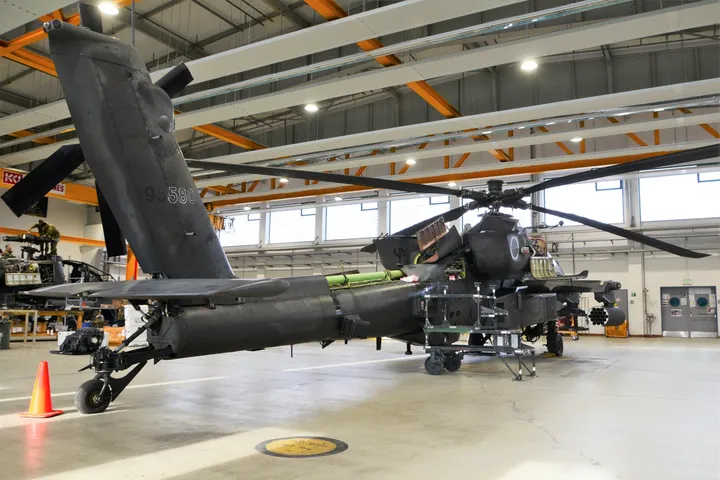
Daily Pre- and Post-Flight Inspections
Pilots conduct thorough visual walk-arounds before the first flight and after the last flight each day, checking fluid levels, control linkages, rotor systems, and general condition.
These quick but critical checks identify potential issues early, ensuring airworthiness for every departure.
100-Hour and Periodic Inspections
Commercial helicopters require detailed inspections every 100 flight hours or specified calendar intervals, involving disassembly, cleaning, lubrication, and component examination.
Engineers follow comprehensive checklists covering airframe, engine, transmission, and avionics for continued reliability.
Annual Inspections
Every 12 months, helicopters undergo full annual inspections reviewing all systems regardless of flight hours flown, often coinciding with 100-hour checks.
These thorough reviews ensure compliance and airworthiness certification renewal.
Progressive and Phase Maintenance
Many operators use progressive programs dividing major overhauls into phases spread over time, reducing downtime while maintaining coverage.
This approach allows continuous operation with scheduled deep maintenance intervals.
Time-Limited Components
Critical parts like rotor blades, gearboxes, and engines have defined life limits in hours or cycles, requiring mandatory replacement at specified thresholds.
Precise tracking ensures components never exceed safe operating limits.
Frequently Asked Questions
Rigorous maintenance schedules keep helicopters exceptionally safe. Trust KiliFlying Air's commitment to airworthiness for your next flight.