Are Helicopters Equipped with Emergency Flotation Devices?
Many helicopters operating over water are equipped with emergency flotation devices that inflate to keep the aircraft afloat after a water landing, providing critical time for passenger evacuation and enhancing safety on coastal, island, or lake flights.
Are Helicopters Equipped with Emergency Flotation Devices: Enhancing Over-Water Safety
Emergency flotation devices, also known as floats or buoyancy systems, are specialized equipment designed to prevent helicopters from sinking after an emergency water landing (ditching).
KiliFlying Air prioritizes safety by equipping helicopters with appropriate flotation systems when operating over water bodies, ensuring passenger protection during scenic coastal flights or island transfers.
This guide explains flotation device types, regulatory requirements, deployment mechanisms, integrated life rafts, and how these systems contribute to overall helicopter safety.
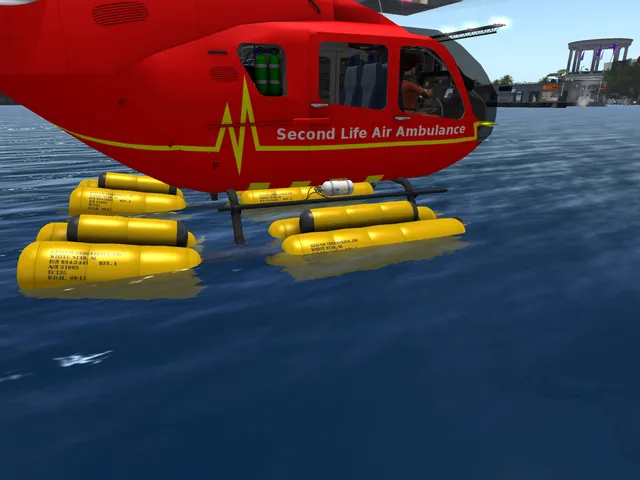
Types of Emergency Flotation Systems
Modern flotation systems include fixed or removable inflatable bags attached to landing skids or fuselage. Compressed gas cylinders rapidly inflate bags upon pilot activation or automatic water immersion triggers.
Systems vary from basic skid-mounted floats to comprehensive setups with multiple chambers for redundancy and integrated automatic life rafts.
Regulatory Requirements
Aviation authorities mandate emergency flotation for helicopters conducting extended over-water operations beyond gliding distance to shore. Requirements ensure buoyancy sufficient for safe evacuation.
Commercial operators like KiliFlying Air comply with these standards for relevant routes, maintaining certification and regular testing.
Deployment and Functionality
Pilots manually activate floats before planned ditching, while many systems feature automatic sensors deploying upon water contact. Inflated bags provide stability and buoyancy, keeping cabin above water.
Advanced systems include integrated life rafts that automatically inflate and deploy, offering immediate shelter and survival equipment.
Enhanced Safety Features
Flotation devices complement other safety measures like life vests for each passenger, emergency locator transmitters, and pilot ditching training procedures.
Combined systems dramatically improve survivability in rare over-water emergencies.
Application in Operations
KiliFlying Air selects appropriately equipped helicopters for routes involving lakes, coastal areas, or islands, ensuring flotation capability matches operational needs.
Land-based operations typically use standard skids, while water-involved flights benefit from certified flotation systems.
Frequently Asked Questions
Emergency flotation devices significantly enhance helicopter safety over water. Contact KiliFlying Air for details on equipped aircraft for your flight.