Kilimanjaro Emergency Airlift Evacuation Plan: Complete Safety Strategy
A Kilimanjaro emergency airlift evacuation plan combines prevention, monitoring, mandatory insurance, and rapid helicopter medevac. This integrated approach protects climbers across all routes in high-altitude remote terrain.
Kilimanjaro Emergency Airlift Evacuation Plan: Complete Safety Strategy
Kilimanjaro climbs demand meticulous emergency planning due to altitude risks and isolation. The most effective evacuation plan layers prevention with guaranteed rapid airlift capability when ground response is insufficient.
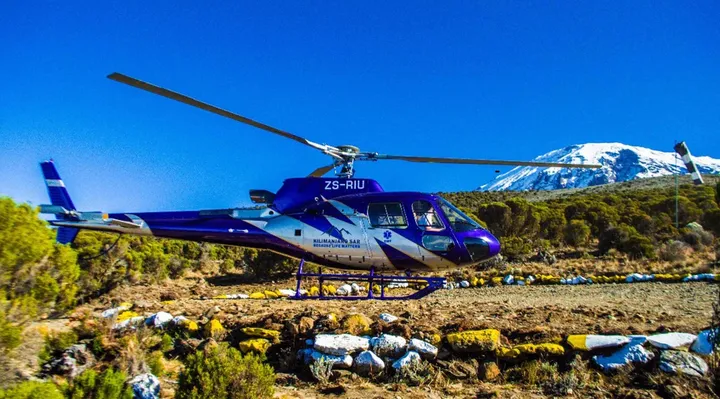
KiliFlying Air supports comprehensive emergency airlift plans with proven helicopter medevac, direct coordination, and seamless insurance integration.
This strategic guide outlines the full evacuation plan: risk assessment, preventive measures, monitoring, insurance requirements, activation protocols, airlift execution, and real-world application.
Emergency Risk Profile
Primary hazards:
- Severe altitude illness progression
- Trauma and falls
- Exhaustion and hypothermia
- Remote location isolation
Plan addresses prevention and rapid airlift.
Prevention as Primary Defense
Reduce incidents:
- Longer acclimatization routes
- Slow pacing and rest
- Pre-climb conditioning
- Early symptom awareness
Strong prevention minimizes airlift need.
Monitoring and Early Intervention
Vigilant detection:
- Daily oximetry and checks
- Guide altitude training
- Oxygen and medication access
- Prompt ground response
Early action often prevents escalation.
Mandatory Insurance Integration
Financial enablement:
- High-altitude helicopter medevac
- Direct billing capability
- Medical and repatriation
Enables barrier-free airlift activation.
Emergency Airlift Activation
Coordinated process:
- Guide alert with GPS/status
- Operator coordination
- Rapid helicopter dispatch
- In-flight critical care
- Hospital transfer
KiliFlying Air ensures reliable execution.
Frequently Asked Questions
A Kilimanjaro emergency airlift evacuation plan safeguards your climb through preparation and professional response. Build yours with trusted partners. Visit our Medical Evacuation page for details.