Complete Guide to Eritrea 2025: Visa, Travel, Investment & Important Facts
Eritrea — Africa’s most enigmatic nation — is cautiously re-opening. Home to the world’s largest intact Art-Deco city (Asmara UNESCO), pristine Red Sea reefs, and multi-billion-dollar potash mines, it remains one of the planet’s most controlled travel destinations. This 2025 guide is the deepest publicly available resource covering visa realities, mandatory permits, security situation, Colluli & Danakil mining boom, Massawa port revival, and the political-economic landscape under President Isaias Afwerki.
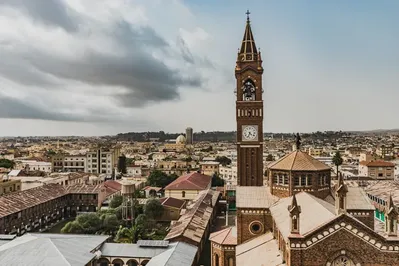
Asmara – the “Little Rome” of Africa, UNESCO World Heritage 2017
Independence & Political Reality 2025
De facto independence: May 24, 1991
De jure independence: May 24, 1993 (after UN referendum)
President: Isaias Afwerki – sole leader since 1993
System: One-party state (PFDJ). No elections since independence. Freedom House 2025 rating: 2/100 (“Not Free”). National service remains indefinite for most citizens.
Visa & Travel Permit System (Strict – 2025 Rules)
- No eVisa and no visa-on-arrival
- Visa must be obtained in advance via Eritrean embassy or accredited sponsor (local tour operator)
- Processing time: 4–12 weeks
- Cost: USD 50–150 depending on embassy
- Mandatory travel permit required for every town outside Asmara (apply at Ministry of Tourism in Asmara – 1–3 days)
- Photography restrictions severe – especially military/police
Top 15 Destinations in Eritrea (2025)
- Asmara – UNESCO Art-Deco capital (Fiat Tagliero, Cinema Impero)
- Dahlak Archipelago – pristine coral reefs, WWII wrecks
- Massawa – Ottoman & Italian port city
- Qohaito – 5th-century BC archaeological site
- Metera & Debre Bizen monasteries
- Keren – camel market & Italian war cemetery
- Danakil Depression – Dallol colourful acid pools
- Colluli Potash Project – world’s largest undeveloped deposit
- Bisha & Zara gold mines
- Filfil rainforest (coolest place in Eritrea)
Mega Investment Projects 2025–2030
| Project | Value | Status 2025 |
|---|---|---|
| Colluli Potash (Danakali/ENOIA) | US$902M | Construction phase – production 2027 |
| Asmara–Massawa–Ethiopia railway rehabilitation | US$600M+ | Ongoing |
| Massawa & Assab port expansion | US$500M+ | Phase II 2025–2028 |
| Bisha copper-zinc expansion | US$300M | Operational |
Economy & Investment Climate 2025
GDP growth forecast 2025: 7.8% (IMF) driven by mining. 100% state or joint-venture ownership model. Foreign investors must partner with government or ENAMCO. Sanctions lifted 2018, but many international banks still cautious.
Safety & Practical Tips 2025
- Tourist areas safe; no terrorism incidents since 2010
- Internet slow and monitored; VPN recommended
- Cash-only economy (USD widely accepted)
- Best time: November–March
- Flights via Cairo, Dubai, Addis, or Jeddah
Conclusion
Eritrea remains one of the world’s most challenging yet rewarding destinations. Its intact 1930s–40s Italian modernist architecture, pristine Red Sea diving, and emerging mining boom are unmatched. Entry requires patience and planning — but the reward is a country virtually untouched by mass tourism. For private charter flights into Asmara or Massawa and full logistical support inside Eritrea, contact KiliFlying Air at +255 744 303 141.