Complete Guide to Cameroon: Visa, Travel, Investment & Important Facts
Your definitive 2025 resource for Cameroon travel and investment. From the easiest eVisa process to the best beaches, mountains, and wildlife spots, plus up-to-date economic insights under President Paul Biya—this guide has it all.
Introduction to Cameroon
Known as “Africa in miniature,” Cameroon packs savannas, rainforests, volcanoes, beaches, and deserts into 475,442 km². With over 250 ethnic groups and official bilingualism (French/English), it offers unmatched cultural and natural diversity. Population: ~29 million (2025).
Cameroon Independence
French Cameroon: January 1, 1960
British Southern Cameroons joined: October 1, 1961 → Federal Republic
Unitary state: 1972
Cameroon Visa 2025 – eVisa Made Simple
- Apply online: cameroon-evisa.org
- Cost: $50–$100 (single-entry 90 days)
- Processing: 3–7 working days
- Required: passport (6+ months), yellow fever cert, invitation/hotel booking
- ECOWAS citizens: visa-free 90 days
Top Places to Visit in Cameroon
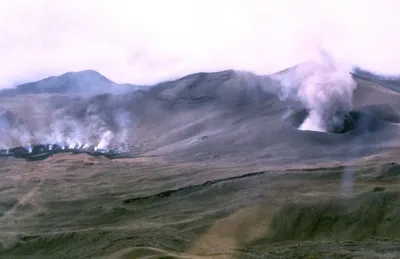
Mount Cameroon (4,070 m) – Africa’s highest active volcano; 3–4 day trek from Buea.
Kribi & Lobé Falls – White-sand beaches and waterfalls that drop directly into the Atlantic.
Limbe Wildlife Centre – Rescue sanctuary for gorillas, chimps, and drills.
Dja Faunal Reserve (UNESCO) – Pristine rainforest with lowland gorillas and Baka communities.
Rhumsiki & Mandara Mountains – Dramatic volcanic plugs and traditional Kapsiki villages.
Foumban Royal Palace – Bamoun sultanate museum and living history.
How to Invest in Cameroon
One-stop shop: API (Agence de Promotion des Investissements)
- 100% foreign ownership allowed (most sectors)
- 5–10 year tax holidays
- Key sectors: iron ore, bauxite, cocoa, timber, renewables, tourism
Cameroon Economy 2025
GDP: ~$52 billion | Growth: 3.9% | Main drivers: oil, cocoa, timber, emerging mining
SIM Card in Cameroon
Buy at airports or city shops (MTN, Orange, Camtel). Passport registration required. Starter packs ~1,000 CFA with data.
President of Cameroon
Paul Biya – re-elected October 2025 for eighth term (in power since 1982).
Safety in Cameroon 2025
Level 3 overall. Yaoundé, Douala, Kribi, Limbe, and Mount Cameroon area are generally safe for tourists. Avoid Far North (Boko Haram) and Northwest/Southwest regions (Anglophone crisis).
Plan Your Cameroon Adventure
Whether you're climbing Mount Cameroon, relaxing on Kribi beaches, or exploring investment opportunities, this guide has you covered.
Contact KiliFlying Air for seamless connections from East Africa to Yaoundé or Douala.
+255 744 303 141 | Message us